



0121 707 0077

FIS launch Specifiers Guide to Drylining

FIS launch Specifiers Guide to Drylining

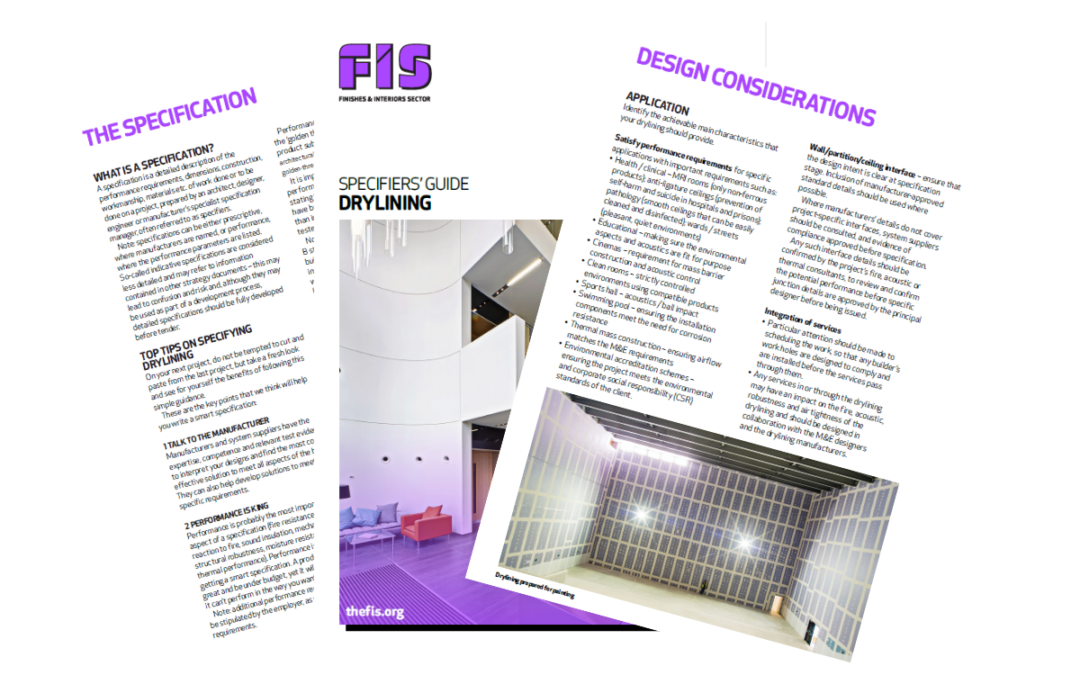
FIS has today launched its Specifiers’ Guide to Drylining to help specification writers fully understand the criteria when writing a specification for drylining, including partitions, wall linings and shaft wall systems.

The Specifiers’ Guide – Drylining was produced by the FIS Drylining Working Group which comprises representation from manufacturers, designers and contractors working in the drylining sector. Pulling together decades of experience, this guide is the third in the series of guides and is designed to help specifiers and designers understand the questions that should be addressed before the specification can be produced and then how the specification should be structured, and which standards referenced.

Commenting on the guide, Iain McIlwee, Chief Executive of FIS said:

“Specifying drylining seems, on the face of it, simple enough: consider the look, performance and cost, and there it is. If only it were that simple there would not be cases where evidence of fire compartmentation could fail or fail to perform because the issue wasn’t apparent during the specification process.”

The guide includes top tips when specifying drylining, as well as reference material to regulations for safety, fire performance and standards.

“A well written specification not only ensures the installation meets the client’s requirements, but it also means the specifier’s requirements are less open to interpretation, which is key for the whole supply chain if they are going to deliver the quality and detail first time, on time,” added Iain McIlwee.

The guide sits alongside other FIS best practice guides that relate to drylining:

Installation of Drylining

Site Guide:Drylining

These guides work well when they are included in proposals and project plans to demonstrate how to best approach a project. They are also good differentiators when someone is in competition with non-members, and are an excellent introduction to new members of the team and any trainees and apprentices.

FIS plans to have CPD material to accompany the guide later in the year.

Specifiers Guide to Drylining

Government publishes five new Approved Documents

Government publishes five new Approved Documents

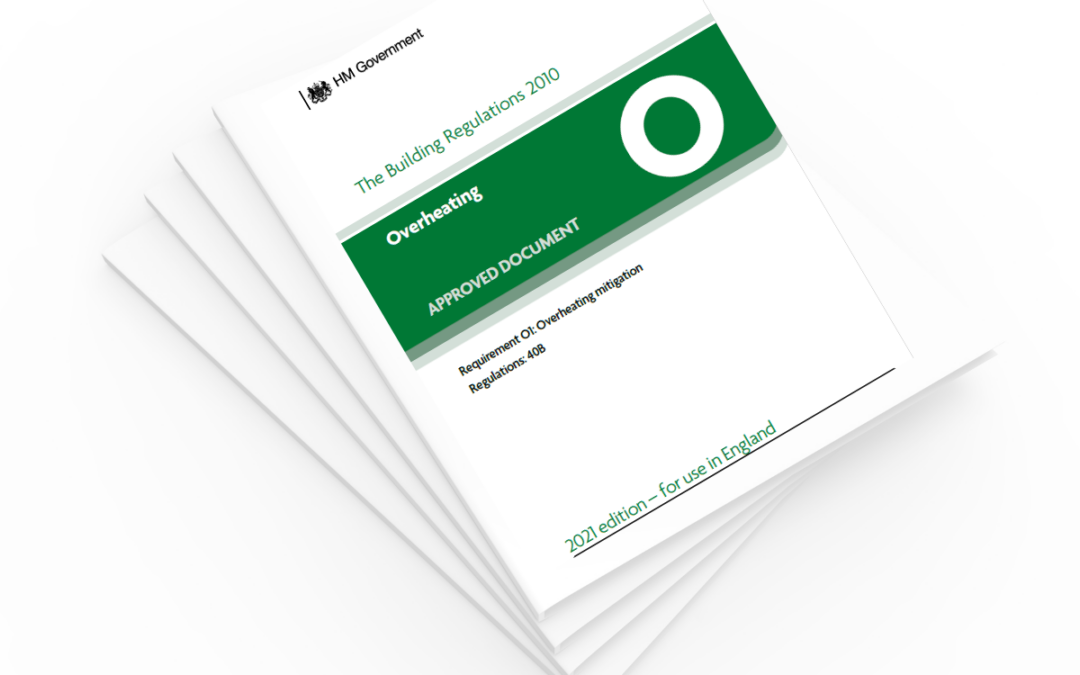
The government has published five new Approved Documents under the Building Regulations for England which will come into force on 15 June 2022. Below is a brief overview and link to each new Approved Document. If we become aware of any specific implications of these regulations and their interactions with existing regulations, we will highlight these at a later date.

New Approved Document Part O
The aim of requirement O1 is to protect the health and welfare of occupants of the building by reducing the occurrence of high indoor temperatures. In the Secretary of State’s view, requirement O1 is met by designing and constructing the building to achieve both of the following:

  1. Limiting unwanted solar gains in summer.
  2. Providing an adequate means of removing excess heat from the indoor environment.

Please find the new regulation HERE

Revision to AD Part L
Conservation of fuel and power

Revision to AD Part F
Ventilation


FIS responds to HSE issues warnings ahead of Building Safety Bill

FIS responds to HSE issues warnings ahead of Building Safety Bill

As part of work underway to establish a new Building Safety Regulator and reform the building safety system, HSE is urging those who design high-rise buildings to act now to prepare for the changes coming when the Building Safety Bill becomes law.

The Building Safety Bill, currently making its way through Parliament, aims to implement all of the recommendations set out in Dame Judith Hackitt’s “Building a Safer Future” report, and in places goes further. The reforms include a more stringent approach to the design and construction of high-rise buildings, clearer responsibilities on designers to ensure these buildings are safe, and new measures so that everyone doing design or building work is competent to carry out that work in line with building regulations.

People working on the design of a high-rise building, from the development of a planning application through to building regulations approval will need to understand the building’s intended use, correctly identify the risks, and own and manage those risks to determine the safety of a building.

There will be a requirement to record and provide evidence of decision-making during the design process, and a need to be engaged throughout a building project to handover to the end client. Prepare now for these changes.

Peter Baker, Chief Inspector of Buildings at the Health and Safety Executive, said:

“Designers have a strong influence on safety and standards, particularly during the very early planning and design stages of a building project. Their decisions not only affect the safety of those carrying out the building work, but also those maintaining, using, or living in a building after it is built.

“I encourage designers to act now and prepare for the more stringent regulatory regime. HSE will continue to work with the building design industry and related businesses to support them to deliver safe and high-performing buildings and ensure that residents of high-rise buildings are safe, and feel safe, in their homes now and in the future.”

Colin Blatchford, Operational Policy Lead for Gateways and Building Control at HSE, said:

“Everyone involved in the design of high-rise buildings must take a proactive approach to managing building safety from the earliest stages of the design process. These changes are coming. Those involved need to plan ahead through correctly identifying, taking ownership and managing the risks – ensuring key decisions are recorded throughout the process.

“Once the Building Safety Bill becomes law, there will be a requirement for a safety case report when a building is completed and occupied. It is important to consider this at the early design stage for your clients and future residents’ safety.

“Building safety changes are coming and will affect everyone involved in a high-rise building project beyond its design. We urge that you act now.”

Responding to this statement, FIS CEO Iain McIlwee said:

“The Building Safety Bill offers a huge lever for change, but it needs to start with a recognition that design is detailed through the construction process and for the detailing to be effective we need the specialist contractors and manufacturers involved (and contracted) at a far earlier stage.  Even with tighter regs, we will still see problems being resolved on the fly in difficult circumstances and under severe time pressure on site rather than designed out of the process at an earlier stage.  This has to be about changing not just the way we design and build, but vitally how we procure the services, respect specialist knowledge and collaborate far more effectively through the project.”

You can find out more about the implementation of the Building Safety Bill here

CLC writes regarding UK Construction Products Regulations

CLC writes regarding UK Construction Products Regulations

The Construction Leadership Council has written to The Rt Hon Michael Gove MP, Secretary of State, Department for Levelling Up, Housing, Communities & Local Government and The Rt Hon Kwasi Kwarteng, Secretary of State, Department for Business, Energy & Industrial Strategy to draw their attention to urgent industry concern in connection with the introduction of the UK CA Mark.

Read the letter here.

For the latest guidance on UKCA Marking and placing products on the market in January 2023 and beyond click here.


BSI launches new technology to provide digital identification of products

BSI launches new technology to provide digital identification of products

BSI has launched BSI Identify to allow permanent structured product data to be found at any stage in the design, installation, maintenance and deconstruction of the product or system.

The Construction Product Association (CPA) said ‘This unique initiative aims to improve safety across the built environment through digital product identification’

BSI Identify has been in development with CPA and its members since 2024 and was supported with Innovate funding

How does it work?

  • Manufacturers are issued a unique digital identifier called a BSI UPIN for every product
  • The manufacturer can mark or tag their products via QR codes, NFC or RFID tags
  • The BSI UPIN, once scanned, directs users to an open-access permanent page that holds all relevant and up to date product information
  • All product queries can be routed back to the manufacturer

By using this revolutionary technology, manufacturers can support the Golden Thread of Information and improve industry safety. It’s good for business and good for your customers.

FIS Technical Director Joe Cilia sai:

‘Being able to access product information at the point of installation or even years after its been integrated in the fabric of a building is vitally important if we  are to maintain buildings for the safety of all occupants in future. BSI identify will allow this to happen using a data base that will be available in perpetuity even if the company is no longer in business, and that’s a  game changer.’

Peter Caplehorn CEO at the CPA said

‘By moving everything into a fully joined-up digital process, we can improve overall efficiency, product performance, safety, customer satisfaction, environmental performance and profit margins, which is a good thing because some money can be put back into R&D. BSI Identify is a unique digital identification service that looks to improve industry safety by solving the challenge of product identification.’

Watch this video to see how BSI Identify helps manufacturers

Find out more about BSI Identify on the BSI Identify website or CPA website.

James Parlour announced as new FIS Technical and Vetting Manager

James Parlour announced as new FIS Technical and Vetting Manager

FIS is pleased to announce the appointment of James Parlour as its new Technical and Vetting Manager to support the technical work of the organisation and develop the membership vetting process.

With more than 16 years’ technical, compliance and design experience across a wide range of sectors, James Parlour arrives at FIS to play a key role in ensuring FIS Members are specified and selected for projects. Formerly Project Coordinator at Ergonom, James has worked as Senior Design Engineer at Komfort Partitions, Technical Supervisor at SIG (Ocula Systems) and brings more than 10 years’ experience as a design technician at SAS International and Avanti Systems.

Working with the FIS Community in this new role, James will review and upgrade current vetting processes to better embrace the risk management approach defined by the FIS Product Process People Quality Framework and ensure that the members understand and uphold the values outlined in the Code of Conduct.

He will also provide support to the FIS Technical Director in responding to technical enquiries from members, supporting the various working groups and reviewing, developing and monitoring the FIS Vetting activities.

Commenting on the new appointment, FIS CEO Iain McIlwee said:

“We are delighted to welcome James to the FIS team. James has a wealth of experience across the finishes and interiors sector, and his skills and passion will make him a great asset in supporting the FIS Working Groups and projects, as well as the vetting process.”

“Vetting is central to our values and we are keen to work with the community to test the existing process and develop it to ensure that FIS community reflect these values and meet the standards these values project,” added Iain.

“This is a fantastic opportunity. To play a part in supporting value-led change at FIS and taking this leading trade body to the next level is very exciting,”said James Parlour.

For further information or for any questions please contact the FIS at info@thefis.org or call 0121-0707-0077.