
by Clair Mooney | 30 Apr, 2026 | Main News Feed
FIS has launched a new e-learning module, Building Regulation Compliance: Contractor Roles, designed to help construction professionals understand and meet their responsibilities under the latest regulatory changes.
Our new competency-led e-learning module provides clear, practical guidance on what compliance really means and how it applies to you. It has been designed for directors, managers, and senior leaders within contracting organisations, while also offering valuable insight for project teams and supervisors responsible for maintaining standards on the ground.
Challenging misconceptions and clarifying responsibilities
A key focus of the course is addressing a widespread misconception across the industry that roles such as Principal Contractor and Contractor apply only to Higher Risk Buildings. In reality, these roles are mandatory across all regulated works, making a clear understanding of responsibilities essential for compliance.
The course breaks down these requirements in a straightforward, accessible way, helping contractors understand exactly where they fit within the regulatory framework and what is expected of them.
Practical, competency-led learning
Developed through our close collaboration with members and industry experts, the module is built around real-world application. It aims to demystify complex regulatory requirements and support organisations in embedding best practice.
Designed primarily for directors, managers, and senior leaders within contracting organisations, the course is also highly relevant for project teams and supervisors responsible for maintaining standards on site.
Learners who enrol will:
-
Build confidence in the requirements of the new regulations
-
Drive their understanding of the Building Control process
-
Strengthen their organisation’s competence and capability
-
Gain CPD points to support their professional development
Supporting a culture of competence and compliance
Competence sits at the heart of compliance and understanding how regulations apply at both an individual and organisational level is critical to managing risk and delivering safe, high-quality projects.
This new module forms part of our ongoing commitment to support the sector through regulatory change, providing timely, practical training that reflects the realities faced by contractors today.
Members can access the e-learning for free here. The courses are available to non-members for a fee. Visit the FIS Academy here.

by Clair Mooney | 30 Apr, 2026 | Main News Feed
From 1 July 2026 a new building safety regime will come into force in Wales, introducing fundamental changes to how building work is regulated, approved and enforced. While closely aligned with the principles of the Building Safety Act 2022 introduced in England, the Welsh system is not identical and will operate through different regulators, processes and documentation requirements. To support members in understanding and preparing for these changes, FIS has launched a short, targeted e-learning module: The Building Safety Act Wales 2026.
What is changing in Wales?
Wales is introducing a dutyholder‑led regulatory framework that applies to all regulated building work, with additional and more stringent requirements for higher‑risk buildings (HRBs). The system has strong parallels with the English regime, but there are important practical differences that contractors, designers and specialists need to understand.
Key features of the Welsh regime include:
- a dutyholder framework similar to England, applying to clients, designers, contractors, principal designers and principal contractors
- mandatory competence requirements for individuals and organisations carrying out design or building work
- replacement of the traditional “deposit of plans” system with a new application‑based building control approval process
- strengthened enforcement powers, including compliance notices, stop notices and extended enforcement periods
- a separate staged approval system for higher‑risk buildings, administered through local authority building control rather than a Building Safety Regulator
A significant difference is that Wales has not created a standalone Building Safety Regulator. Higher‑risk buildings and enforcement remain within the jurisdiction of local authority building control, with different approval routes, statutory declarations and appeal mechanisms to those used in England. Additionally the Welsh regime:
- uses staged approvals rather than England’s gateway process
- defines higher‑risk buildings more broadly, capturing buildings with at least one residential unit as well as hospitals and care homes with overnight stays
- requires specific prescribed documents, including competence declarations, construction control plans, change control plans and golden thread information
- introduces formal change‑control categories for HRBs, with major changes requiring fresh approval before work can proceed
Understanding these changes and the distinctions will be essential to helping avoid delays, rework, rejected submissions or enforcement action once the new regime is live.
What the FIS Wales 2026 module covers
The new FIS training module draws out the differences in Wales and is targeted at those who have already completed the Introduction to the Building Safety Act and now need to understand how the Welsh system works.
The module provides:
- a clear explanation of how the Welsh building safety regime has evolved
- an overview of the dutyholder and competence requirements applying from July 2026
- practical guidance on the new building control approval process
- detailed insight into higher‑risk building procedures, staged approvals and prescribed information
- clarity on enforcement powers and what they mean in practice
- a plain‑English explanation of transitional arrangements for projects already underway
Preparing for July 2026
Transitional provisions mean that some projects already in the system before 1 July 2026 will continue under the current arrangements. However, any project that has not deposited full plans or secured acceptance of an initial notice by that date will need to comply with the new Welsh regime from the outset. With increased emphasis on competence, accountability and documented compliance, now is the right time for organisations to ensure their teams understand how the Welsh system operates.
FIS remains committed to supporting the finishes and interiors sector through the biggest regulatory change in a generation. Alongside this new Wales‑specific module, FIS continues to provide guidance, training and practical tools to help members manage risk, improve safety and remain compliant.
To access the course, visit the FIS E-Learning Academy. For any questions about the regulations contact the FIS team at info@thefis.org or 0121 707 0077.
by Clair Mooney | 30 Apr, 2026 | Main News Feed
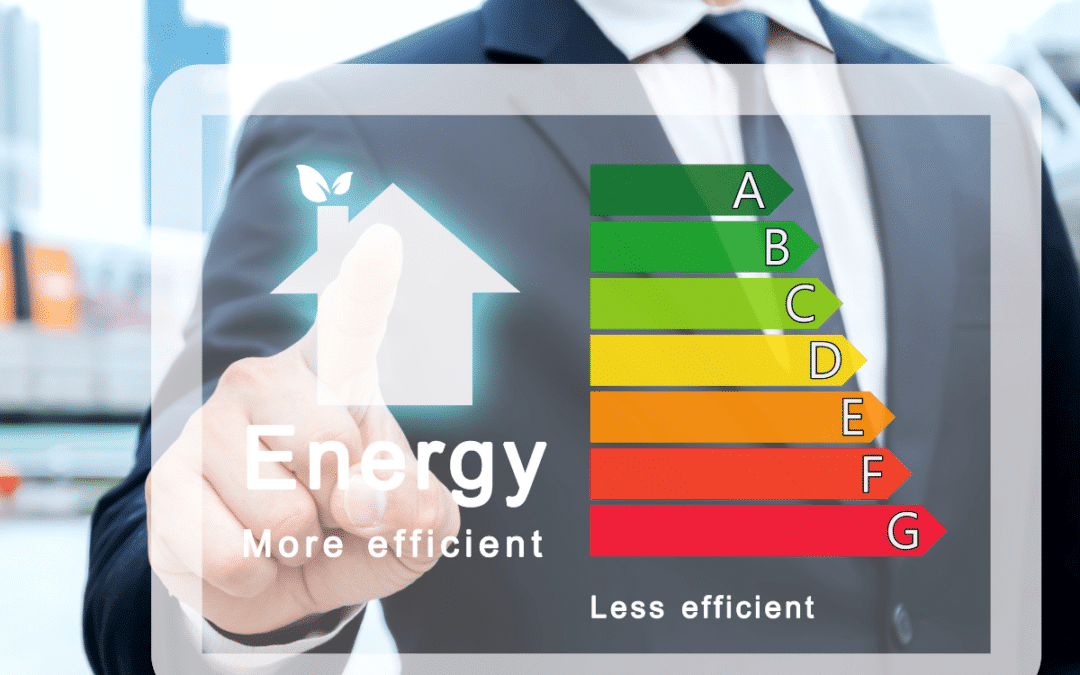
The energy market continues to present challenges for businesses across the UK, and for companies operating within the finishes and interiors sector, controlling overheads remains as important as ever. With wholesale prices still reacting to global events, changing demand levels, weather patterns, network costs and policy updates, energy procurement is no longer something businesses can afford to leave on autopilot.
For FIS members, having the right strategy in place can make a significant difference to both short-term costs and long-term stability. That’s where Enexus Energy can help. As part of your FIS membership, you have access to expert support designed to help you better understand the market, review your current contracts, and identify opportunities to reduce costs and improve efficiency.
Whether you’re approaching renewal, unsure if your current rates remain competitive, or simply want clearer visibility over your utilities spend, Enexus can provide independent guidance tailored to your business needs. They will work with you to simplify what can often be a complex market, helping you make informed decisions with confidence.
Support can include:
* Reviewing current electricity and gas contracts
* Benchmarking rates against the wider market
* Procurement support and renewal strategy
* Invoice validation and billing support
* Identifying energy-saving opportunities
* Guidance on sustainability and future planning
In a market that remains uncertain, having a trusted energy consultant on your side can provide reassurance and real value. If you’re an FIS member and would like to explore how Enexus can support your business, get in touch with the Enexus Energy team today.
Andy Radcliffe
FIS Energy Expert
01253 966964
Andy.radcliffe@enexusen
by Iain McIlwee | 28 Apr, 2026 | Main News Feed
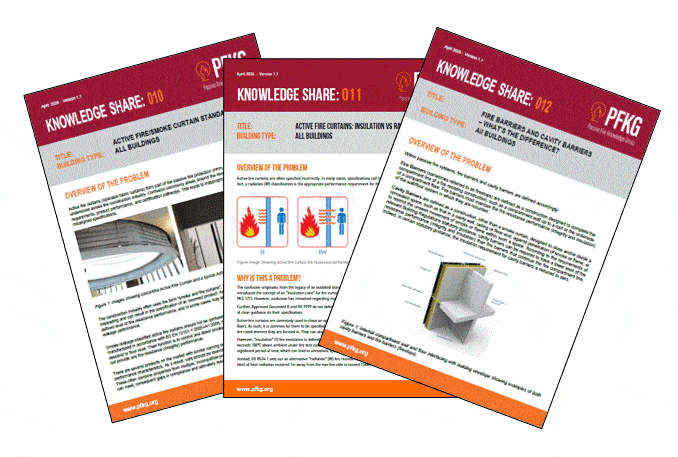
The Passive Fire Knowledge Group (PFKG), supported by FIS, has published three new Knowledge Shares to address widespread misunderstanding in the specification of passive fire protection systems across the built environment.
The new publications are:
· PFKG Knowledge Share 10: Active Fire Curtain Standards
· PFKG Knowledge Share 11: Active Fire Curtains – Insulation vs Radiation
· PFKG Knowledge Share 12: Fire Barriers and Cavity Barriers – What’s the Difference?
Together, the documents provide clear, practical guidance in areas where poor terminology, legacy standards, and inconsistent interpretation continue to undermine compliance.
Knowledge Shares 10 and 11 focus on common specification errors associated with active fire curtains. Knowledge Share 10 addresses frequent confusion between smoke-leakage-classified active fire curtains and simple smoke curtains. Simple smoke curtains are intended solely to control and direct smoke towards smoke control systems and provide no fire resistance (integrity) performance. This is in contrast to smoke-leakage-classified active fire curtains, which are tested to fire resistance standards. The document cautions against the use of the term “smoke and fire curtains” in specifications, as it is misleading and can result in the selection of incorrect products.
Knowledge Share 11 highlights the frequent misapplication of insulation (I) performance where radiation (W) classification is more appropriate for active fire curtains. Insulation fire resistance (I) refers to the time taken for the temperature on the non-fire side of a curtain to rise more than 180°C above ambient under test conditions, a performance that most active fire curtains do not achieve for any significant duration. By contrast, the radiation criterion (W) measures the time taken for heat radiation at 1 m from the non-fire side to exceed 15 kW/m². This typically provides a more realistic and meaningful measure of performance for active fire curtains, particularly when combined with integrity (E) to form an EW classification.
Knowledge Share 12 addresses another long-standing area of confusion: the distinction between fire barriers and cavity barriers. The document explains the different regulatory roles these systems perform, along with the differing fire resistance requirements that apply to each. It also highlights how misunderstanding can lead to non-compliance, particularly where products are installed within cavities, above ceilings, or beneath raised access floors without appropriate supporting evidence.
Across all three publications, PFKG emphasises the importance of early engagement between fire engineers, designers, contractors, and manufacturers to ensure specifications are clear, achievable, and supported by suitable test evidence.
“These Knowledge Shares are about removing ambiguity from some of the most frequently misunderstood aspects of passive fire protection,” said Will Pitt, Chair of PFKG. “Incorrect assumptions around standards or performance don’t just create technical issues — they introduce avoidable compliance risk into fire strategies and ultimately undermine safety. Clear terminology and evidence-led specification are fundamental.”
All three Knowledge Shares are available now as free downloads from www.pfkg.org, supporting PFKG’s ongoing commitment to improving competence and consistency across the fire safety community.
by Oscar Venus | 24 Apr, 2026 | Main News Feed
FIS, as an active member of the Construction Industry Collective Voice, is encouraging members to take part in a unique opportunity to directly influence future National Minimum Wage policy.
Following ongoing engagement through the CICV Skills & Employment Group, FIS has been involved in discussions with the Low Pay Commission regarding the pace and scale of recent National Minimum Wage increases and the impact this is having on the sector, particularly in relation to the affordability of apprenticeships.
As a direct result of this engagement, the Low Pay Commission has invited trade body members to attend a series of small, employer-led workgroup sessions to help shape future policy decisions.
Workgroup Details:
- Dates: 13–14 May 2026
- Location: Aberdeen (venue and timings to be confirmed)
- Format: Small groups of up to six employers
- Duration: 1 hour sessions
These sessions are invitation-only and offer a rare opportunity for employers to:
- Share real-world insight on wage pressures
- Highlight challenges around recruitment and apprenticeships
- Help influence future Government thinking
Have Your Say
FIS is now gathering interest from members who would like to participate.
If you would like to be considered for a place, please register your interest as soon as possible. Places are limited and will be allocated based on availability.
Contact FIS to express your interest
This is a valuable opportunity to ensure the voice of the finishes and interiors sector is heard at a national level, and to help shape policies that directly impact your business and workforce.

by Oscar Venus | 24 Apr, 2026 | Main News Feed, Skills
The Government has launched a consultation on proposals to merge the Construction Industry Training Board (CITB) and the Engineering Construction Industry Training Board (ECITB) into a single, unified Industry Training Board (ITB).
The consultation will remain open until 14 June 2026, providing a defined window for industry stakeholders to shape the future of skills and workforce development across both sectors.
The proposed merger could mark a major change in the way training is organised, funded, and delivered across the industry. The consultation looks at important areas such as future skills needs, how accessible and effective current training provision is, and how levy arrangements can best support ongoing investment in the workforce. While bringing the sectors together under a single ITB may offer better alignment, it is vital that the distinct requirements of different parts of the industry are properly recognised.
As a CITB Prescribed Organisation, FIS is gathering member feedback to inform its formal response. To support this, we have developed a short survey to capture your views on the proposals and their potential impact. Your input will help ensure that our response is evidence based and fully reflects the priorities and challenges faced by our sector.
This is an important opportunity to influence how industry training and funding will be shaped in the years ahead. We strongly encourage all members to take a few minutes to complete the survey by 29 May and share their views.
A strong response will enable FIS, in its role as a Prescribed Organisation, to represent our sector with authority and ensure your voice is heard.
Full details of the consultation are available here Industry Training Board reform – GOV.UK, and members can also submit their views directly via the ITB Reform Consultation portal