
0121 707 0077

Independent review into the Industry Training Boards

Independent review into the Industry Training Boards

The Department for Education (DfE) will imminently be announcing its scheduled review into the role and effectiveness of both the Construction Industry Training Board (CITB) and the Engineering Construction Industry Training Board (ECITB).

Last undertaken in 2017, the review will assess the extent to which each Arm’s Length Body (ALB) performs effectively and delivers services that meet the needs of industry. The review is a requirement set by the Cabinet Office for all public bodies to be reviewed periodically.

The review is part of a wider programme across government to ensure that ALBs remain effective into the future.

The review will consider the ongoing need for the Industry Training Boards (ITBs), the effectiveness of the levy process and how it is invested, so that they continue to deliver for the public and represent a responsible use of levy funds.

It will consider the ITBs’ operating models, governance, accountability models and impact.

CITB has said that it will work closely with the review team to make visible its present impact, and demonstrate its plans and industry collaboration to deliver skills and training for the challenges ahead.

The review will be led by an independent lead reviewer, Mark Farmer, CEO of Cast Consultancy. He will be supported by a team of civil servants from the DfE. The review will also access expertise from the respective industries that the ITBs support as well as from across Whitehall

The DfE will shortly announce a call for evidence from stakeholders on GOV.UK and would particularly welcome contributions from employers in scope of the existing CITB levy orders, as well as trade bodies and representative groups from the construction industry. The call for evidence will inform early recommendations to ministers in late summer.

The DfE will provide contact details for submissions of evidence in the near future.

FAQs

Why is the review of the CITB and ECITB taking place?
The review is a requirement set by the Cabinet Office for public bodies to be reviewed based on level of risk. It will assess the extent to which Arm’s Length Bodies (ALB) performs effectively and delivers services that meet the needs of industry. The last CITB review took place in 2017.

Who are the review team?
The review will be led by an independent lead reviewer, Mark Farmer, CEO of Cast Consultancy and co-chair of Constructing Excellence, supported by a small team within DfE.

How can we get involved in the review?
DfE will shortly be announcing a call for evidence from stakeholders on GOV.UK. DfE would particularly welcome contributions from employers in scope to CITB, as well as trade bodies and representative groups from the construction industry. The call for evidence will inform early recommendations to ministers in late summer.

The DfE will provide contact details for submissions of evidence in the near future.

What is the Review likely to consider?
The extent of the review will ultimately be decided by the Lead Reviewer, but this will be influenced by guidance provided by the Cabinet office. The overall purpose of an ALB review is to ensure there is still a need for the functions carried out by an ALB, that the ALB is the right vehicle to carry out those functions, to consider alternative approaches to deliver the functions, assess the impact the ALB has and to determine any ways of making the ALB more effective and efficient.

When will the outcome be announced?
A final report and recommendations are expected to be submitted to the Secretary of State for Education at the end of 2023. Ministers will then assess the recommendations and determine the Government’s response having taken CITB views on the recommendations into account.

Is this different to the Consensus process?
Yes. The ALB review is a fundamental review of the organisation, its impact and future need. Consensus on the other hand is a very specific process carried out (usually) every three years to assess the industry’s views on CITB’s (ECITB’s) proposals for raising Levy over the next three years and their plans for effective use of the Levy generated. The next CITB Consensus process is due to take place between February and April 2024.

 

Build UK to issue updated Common Assessment Standard

Build UK to issue updated Common Assessment Standard

Following the issue of PPN 03/23 earlier this year, which allows public sector bodies to use the Common Assessment Standard in place of PAS 91, Build UK will be publishing an updated version of the Common Assessment Standard on 1 July 2023.

Version 3.2 will include minor updates to the question set and associated guidance to reflect further legislative changes post‐Brexit and to provide additional clarity for companies being certified.

The Common Assessment Standard is reviewed every year to ensure that it continues to meet the needs of the industry. It is anticipated that further changes may be required following the introduction of the Building Safety Act, which will be confirmed once the secondary legislation has been published later this year, and members can suggest other changes for inclusion in Version 4 by completing this online form.

FIS has aligned its own ongoing vetting process to the CAS. Commenting on this, FIS Technical Manager James Parlour said:

Much of what we do in membership vetting depends on the existing accreditations of contractors, which is often already considered through various pre-qualification questionnaires (PQQ).  FIS is very keen to see more widespread adoption of mutual recognition in this environment and is pleased to support the common assessment standard and respect the work of our members by aligning our vetting criteria with it.

CLC Latest: Construction Product Availability Statement

CLC Latest: Construction Product Availability Statement

Statement from John Newcomb, CEO of the Builders Merchants Federation and Peter Caplehorn, CEO of the Construction Products Association, co-chairs of the Construction Leadership Council’s Product Availability working group.

Further to last month’s statement, once again there is good availability of most building materials across the UK, with the exception of rock mineral insulation, which is now on allocation, but is expected to normalise soon with increased production capacity.

While there are also some reports that plasterboard and roof tiles are on allocation, these appear to be either localised issues or restricted to a limited number of manufacturers, so do not seem to be creating significant problems in any sector.  In addition, no major availability issues have been cited around either electrical components or timber, which in previous months were proving problematic.

At a macro level, construction output has risen by 2.7% since the start of the year despite adverse weather and various other factors such as strike action.  The main area of growth over the past quarter has come from the repair and maintenance sector, but the commercial and civil engineering sectors have seen improvements as well. The associated retail trade has started to pick up with the return of  warmer weather.

In the infrastructure sector there have been few reports of material shortages, but materials inflation still plays a major part in increasing project costs. The end of the Help to Buy scheme and continued uncertainty over interest rates, and its impact on mortgage availability, is constraining housebuilding.  The consensus for sector forecasts is that year on year demand will be down this year before picking up in in 2024. More broadly and with a general election looming in 2024, positive stimulus by government in any of these sectors may boost fortunes for the industry.

Overall, ONS figures show that materials prices rose 8.4% in the first four months of the year, with inflation levels slowing to 4.7% in April.  Looking ahead, however, although many larger manufacturers of energy intensive products have begun hedging their energy contracts into 2024, the costs of those products will likely remain elevated compared to the levels seen before the outbreak of war in Ukraine.

We are also monitoring the impact of drought conditions – including higher prices and delays to deliveries – affecting key logistic routes and shipping volumes from Asia and China and through the Panama Canal – though no firm data is yet available.

We are also aware that, with the availability and cost of financing options increasingly limited, commercial behaviour is likely to harden putting pressure on lower tiers and SME companies reducing cash-flow capacity and making liquidity a greater challenge.  With the number of administrations in the construction sector at a very high level, this is another area we will continue to monitor.

Due to summer holidays, the Product Availability Group will meet next in September.  There will be no reports published in July or August.

Reflecting on the 2023 Contractor Awards

Reflecting on the 2023 Contractor Awards

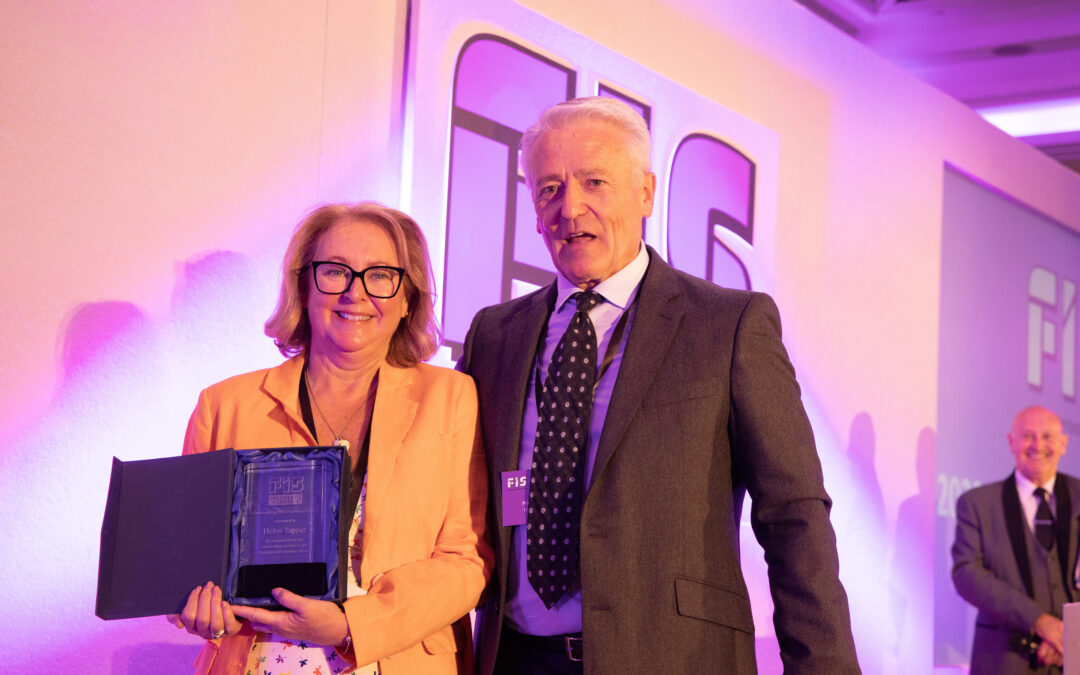
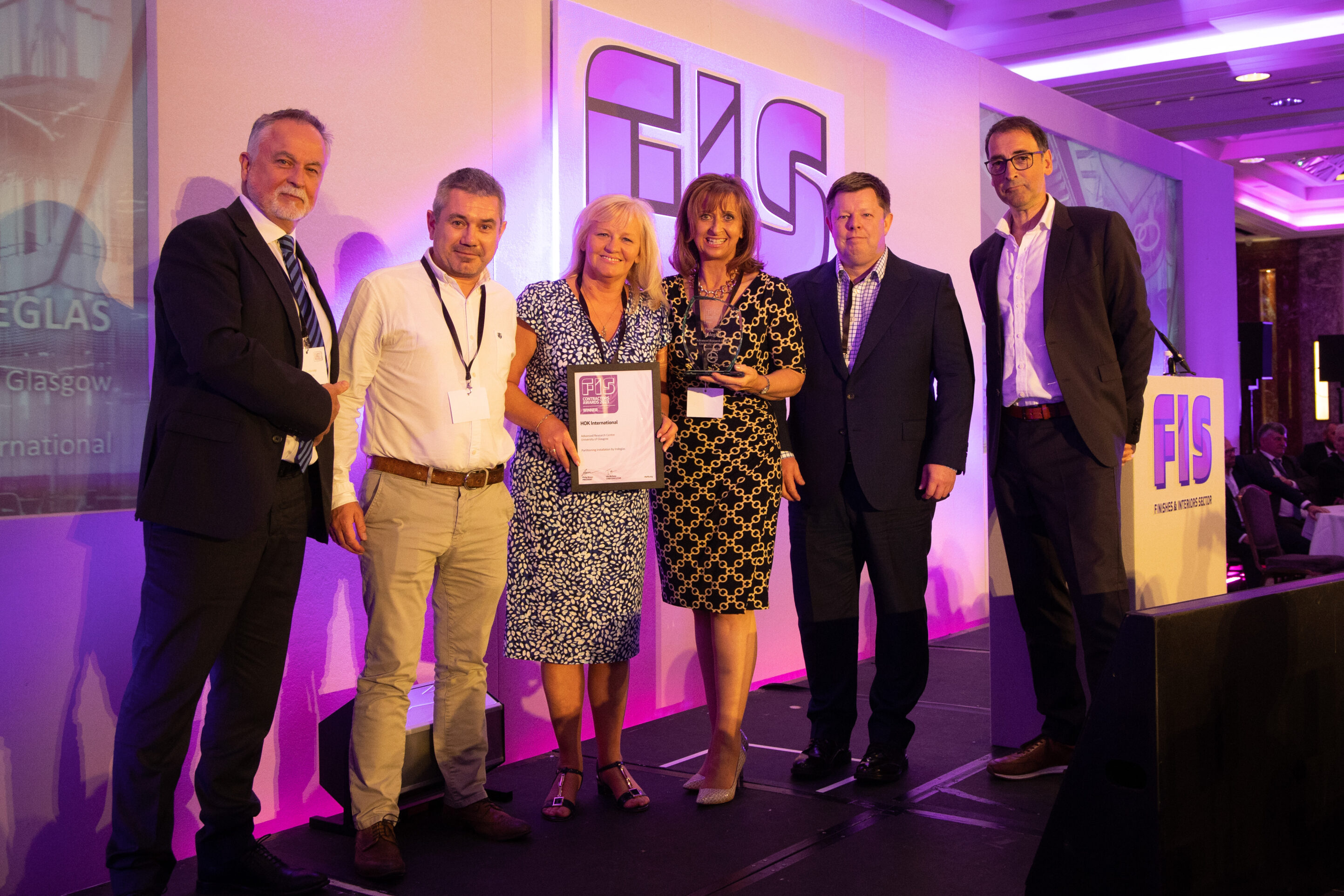
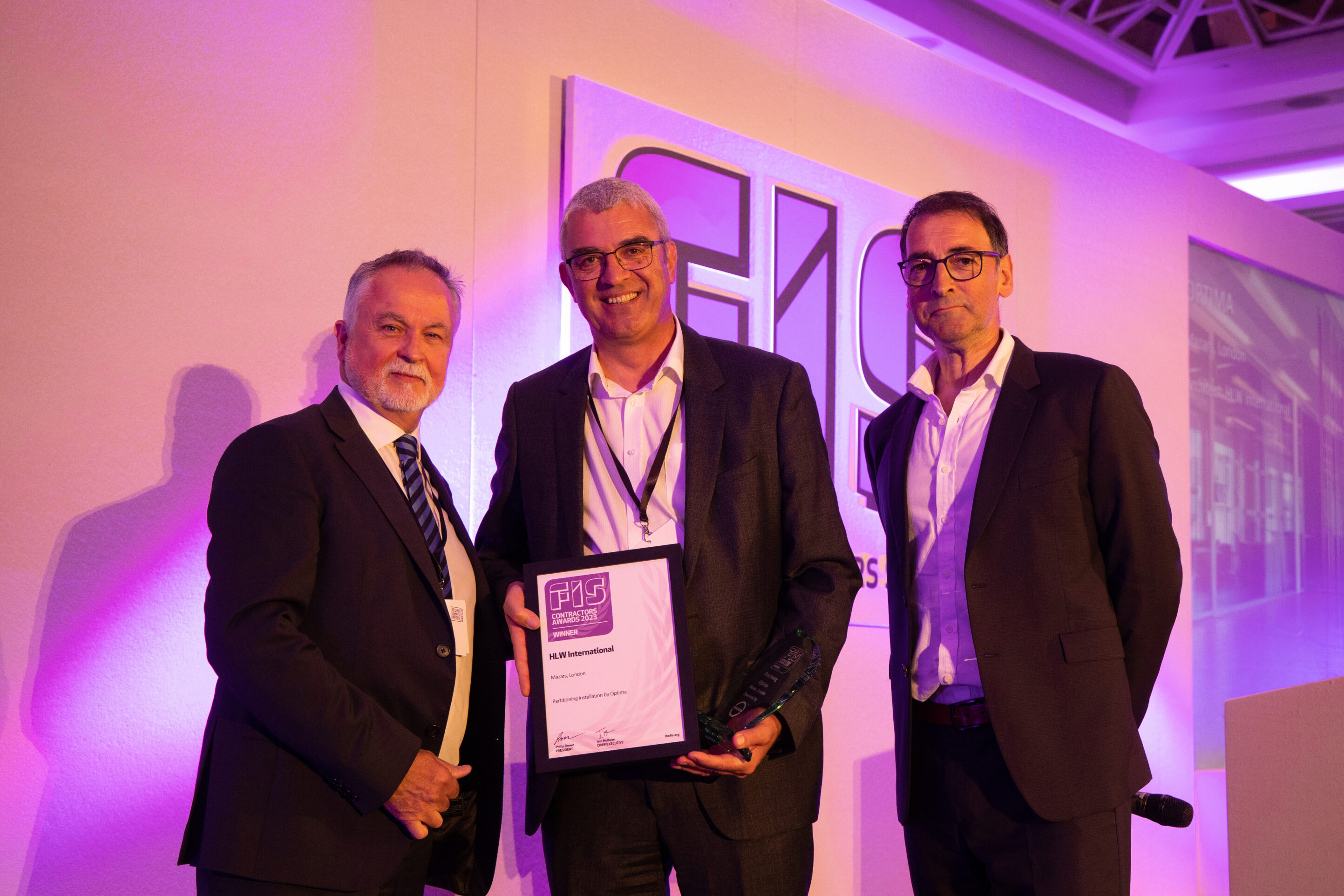
The FIS Contractors Awards 2023 attracted a record crowd and was a fantastic celebration of our amazing community.

Discover the highlights of the FIS Contractor Awards that you may have missed.

You can see all the winners here.
It was also the first time that the FIS community got to hear from their new president, Philip Brown.

You can read Phils Speech

Our CEO, Iain McIlwee also spoke on the FIS’s current and future initiatives.

You can read Iain’s speech here

Below we have included some of the photos from the day.


You can see all of the photos on our FIS Facebook Page here

Congratulations to the winners and again all who made the shortlist, thanks to the judges, Tony Pieri, Colin Hunter, and Robert Fry.  Thanks to our headline sponsor Ecophon, our Award sponsors Minster, SIG, CCF, British Gypsum, Zentia, Nevill Long, Protektor and Euroform. And also our event sponsors Forza Doors, EPD Insulation Group, Fire DNA, Muffle, SPIT, Go Interiors and QIC Trims.

Thanks all for making this an extra special celebration!

CROSS highlights potential gap in understanding around testing of fire-resistant glazed doors and screens

CROSS highlights potential gap in understanding around testing of fire-resistant glazed doors and screens

FIS is aware of a report raised through CROSS (Collaborative Reporting for Safer Structures UK) that highlights a potential gap in understanding around testing of fire-resistant glazed doors and screens. The particular issue concerns the construction of the threshold in the supporting construction and the incongruence with typical threshold constructions on sites with raised access floors.

The report can be viewed on the CROSS website HERE.

CROSS is a confidential reporting system which allows professionals working in the built environment to report on fire and structural safety issues. These are then published anonymously to share lessons learned, create positive change, and improve safety.

Consultation on the proposed changes to the CIS Scheme

Consultation on the proposed changes to the CIS Scheme

FIS has compiled a questionnaire to support a consolidated construction response to the latest HMRC consultation on the Construction Industry Scheme (CIS).

It considers whether it would be appropriate to add VAT to the list of taxes HMRC must consider when undertaking the statutory compliance test for receiving or keeping Gross Payment Status (GPS). It seeks views on how adding VAT could be given effect and the consequences for those affected.

In addition, the consultation sets out two areas where stakeholders have told HMRC that the operation of the CIS is causing unnecessary administrative burdens: landlord/tenant payments; and multiple reporting requirements by some groups. It seeks views on the scope and impact of those burdens, and the government’s proposals for removing or reducing them.

JTC Newsline

FIS members can access the June edition of JTC Newsline. This issue looks at the advisory fuel rates from 1st June 2023; the change in the self-assessment threshold and further details on the construction industry scheme consultation.

Celebrating the industry’s best

Celebrating the industry’s best

FIS today celebrated the finishes and interiors sector with the announcement of the winners of the FIS 2023 Contractors Awards.

Members and their guests packed out the Nine Kings Suite at the Royal Lancaster Hotel in London to see the winners in the 14 categories receive their prestigious awards.

Independent Awards Judges Tony Pieri and Colin Hunter, who visited all project entered said:

“As judges, we take our responsibilities very seriously as we fully understand the hard work and endeavour everyone has applied to the project they have entered for the awards process. We recognise the pride you feel in your work as that is fundamentally why you have entered your project in the first place.

“FIS contractor members continue to produce excellent work against the increasing pressure of tight budgets and challenging time constraints. That characterises the spirit of FIS members, who consistently demonstrate the resolve to do a good job on time and within budget. It has been a real pleasure for Colin and me to witness such outstanding and varied work.”

A final award was given for the Project of the Year, which was judged by guest architect Robert Fry, International and
Executive Director of Aukett Swanke Group plc. Robert selected the overall Project of the Year from the winning contracts across all categories.

Robert said:

“The very high quality of the award category winners made the selection of a single project for the ‘Best of the Best’ award a very challenging proposition given the excellence demonstrated by so many varied trades and skillsets brought to bear for clients in such a collaborative endeavour”.

Find out who won here

See all the winners here

About the FIS Contractors Awards

The FIS Contractors Awards are held annually to encourage and promote high levels of craftsmanship and design.  Not only does the FIS member who installed the contract win an award, but so does the architect or interior designer of an award-winning project.

Are you one of next year's Award winners?

Only one way to find out!

Entry into the 2024 Awards will open on 1 July!
We’re looking for projects completed between 1 November 2022 – 31 October 2023 – our judges look forward to visiting the spectacular projects that our members complete, and meet the teams that make it happen!

Not a member, but interested in entering? Contact us today to discuss membership on 0121 707 0077 or email info@thefis.org

Innovations in Construction Material Reuse

Innovations in Construction Material Reuse

The next in the series of newsletters from the Link Consortium is available here.

FIS taking a lead on driving product re-use and standardising deconstruction processes. The Link project is a key part of this work, looking at streamlining the strip-out process and using Artificial Intelligence to identify and prepare products for potential re-use and re-sale. This is a fundamental part of seamlessly aligning construction, building management and deconstruction/demolition to support better asset management and reduce the waste and carbon associated with our vital work.

The Link Consortium brings together experts in building materials reuse (including FIS) looking at how the sector can adopt latest artificial intelligence and object recognition technology to provide rapid listing software to help increase reuse of used construction materials and significantly reduce carbon emissions.

Download the newsletter

Visit the FIS Sustainability hub

Construction: an industry of opportunity

Construction: an industry of opportunity

Opportunity – for young people, employers and society – is central to the new Construction Leadership Council’s skills plan.

The plan shows how much Construction and built environment has to offer society and provides solutions to short and long-term challenges. Construction is a major engine of the UK economy employing 2.7m people, contributing 8% output to the economy.  The plan recognises the great potential industry has on themes including:

  • Innovation and creativity. Construction will be at the forefront of arguably the biggest challenge facing humankind – climate change – which makes our industry a career of meaning and value.
  • Jobs. Industry offers high-skilled, well-paid jobs, the chance for workers to take modern, green skills across the globe.
  • New entrants. Construction gives people a chance in life. As CITB Chief Executive Tim Balcon wrote recently: “Industry loves to see fresh talent which is why new entrants with a great attitude are welcomed with open arms.”
  • Of course, our work on the plan did not blind us to the pressing issues construction and built environment faces.

Yes, there is a skills challenge.

Yes, the pace of diversity and modernising needs to increase.

And, yes, the record on mental health needs to improve rapidly. Industry is working on these issues day in, day out.

But it’s important to recognise the genuine change and opportunity our industry is undergoing and has to offer.

There’s a lot on the agenda, much to look forward to, here’s what we’re planning.

Aims

The aim of the plan is to offer solutions to short and long-term construction skills challenges in England.

These include how to:

  • Meet employers’ demand for skilled workers.
  • Train and retain people.
  • Ensure the workforce is competent.
  • Expand construction and built environment’s career appeal.
  • Train experienced workers to become teachers.

The plan outlines how industry can deliver the workers industry needs through shared, aligned priorities. These priorities are: culture change; routes into construction and built environment; competence and future skills.

Working on those priorities won’t be easy, particularly in the short-term, given the economic outlook for the rest of the year.

However, the long term forecast for construction and built environment output is positive.

Recent headlines have been promising, too. CITB estimates an extra 225,000 workers will be required across the UK from 2023 – 2027.

Culture

The aims of last year’s plan were focussed on culture change and diversity. These themes will be important part of our work during in the year ahead.

CLC projects for 2023-24 include:

  • A pilot to give schoolchildren a chance to learn about a career in construction
  • The launch of a new competence approach to ensure there is an accepted, accredited definition of competence for all construction and built environment occupations.
  • Expanding the new entrant apprenticeship brokerage service and introducing a new apprenticeship mentoring standard to increase apprenticeship starts, continuation and completions.
  • The launch of Phase 1 of the Career Pathway Hub, an online portal aimed at defining high value career pathways for net zero, digitalisation, smart construction and repair maintenance and improvement.

To deliver this plan, partnering for skills is paramount. This means employers of all sizes investing in people, improving industry’s working culture and attracting new talent for future skills demand.

Multiplier

There are a variety of practical ways people across industry can support the plan.

These include:

We want to involve more small businesses in our work, to get a real multiplier effect on what we’re trying to achieve. For that to happen, collaboration is essential.