
by Clair Mooney | 25 Jan, 2021 | Building Safety Act, Skills
FIS has launched Career and Competency Pathways ways as the first in a structured approach to defining competency and career paths within the Finishes and Interiors Sector.
The new Framework is built on the principles of the FIS Competency Skill, Attitude, Knowledge and Experience (SAKE) Framework and provides an example of how an individual can progress in a finishes and interiors occupation. It is designed to help companies manage competency in the face of intense scrutiny and new requirements coming into force through the Building Safety Bill. The Framework provides some standardisation and lays down clear criteria to assess and prove competence at every level of the workforce.
Commenting on the launch of the Pathways, FIS Skills and Training Lead George Swann said: “The Pathways brings a structured approach to career management based on the development of skills, knowledge and building experience. It aims to support and encourage career progression by passing defining competency gateways based on measured outcomes and linking this back to qualifications and training available. Our hope is that this makes it easier for everybody – new entrants, experienced workers, supervisors and managers – to follow how individuals progress within our sector and understand how to nurture and demonstrate competence.”
The Pathways looks at both formal and informal training requirements. Whilst formally recognised qualifications form the bedrock of progression through an occupation and are the criteria for CSCS card registration, these are not the only measure of competence. At each step in a career progression, the matrix suggests informal training that may support individual and organisational needs.
For new entrants to the sector, embedded in the matrix are details of apprenticeships delivered in each of the home nations. All listed training, qualifications and apprenticeships are available through the FIS Approved Training Provider Network.
“As a guide the matrix proposes ‘normal time frames’ based on the maximum formal qualification completion times or Total Qualification Times, but recognises individuals learn at different rates, so these may not always be applicable. Attitude and opportunity may move people through a career faster than others, but at each stage proof of competency is vital,” added George Swann.
Initial work has taken place on Drylining and Ceiling Fixing Pathways and FIS aims to launch further frameworks to cover the core occupational areas within the £10 billion finishes and interiors sector workforce in the coming months.
For more information and to view the Career and Competency Path click here
For more information on FIS Skills and Competency Work visit our the FIS Skills Hub

by Clair Mooney | 24 Jan, 2021 | Skills
HSE have made sure that you will still have a direct dialogue with their experts, a high level of interaction with the other attendees, and lots of opportunities to ask questions. Printed course material will be delivered direct to your door.
Upcoming courses include:
View HSE full course schedule
by Iain McIlwee | 22 Jan, 2021 | Main News Feed
An overhaul of the Prompt Payment Code (PPC) to crack down on delayed invoices owed to small businesses has been announced by the government today (19 January).
Under new reforms, companies that have signed up to the Prompt Payment Code will be obliged to pay small businesses within 30 days – half the time outlined in the current Code.
Despite almost 3,000 companies signing the Code, poor payment practices are still rife, with many payments delayed well beyond the current 60-day target required for 95% of invoices. Currently, £23.4 billion worth of late invoices are owed to firms across Britain, impacting on businesses’ cash flow and ultimate survival.
To help tackle the problem, businesses owners, Finance Directors or CEOs will be required to take personal responsibility by signing the Code, acknowledging that suppliers can charge interest on late invoices under the Code and that breaches will be investigated. Those signed up to the Code will redouble their efforts to ensure payments are made on time and breaches will continue to be publicised by the government in order to encourage compliance.
The move comes as the government seeks to strengthen the powers of the Small Business Commissioner (SBC) to ensure larger companies pay their smaller partners on time. New powers proposed in a recently closed consultation include legally binding payment orders, launching investigations and levying fines.
Small Business Minister Paul Scully said:
Our incredible small businesses will be vital to our recovery from the coronavirus pandemic, supporting millions of livelihoods across the UK.
Today, we are relieving some of the pressure on small business owners by introducing significant reforms to the UK payments regime – pushing big businesses to pay their suppliers on time.
By signing up to the Prompt Payment Code and sticking to its rules, large firms can help Britain to build back better, protecting the jobs, innovation and growth which small businesses drive right across the UK.
Late payment continues to blight the construction sector with many main contractors reporting greater than 30% of invoices not paid within terms. Late payments impact their bottom line, which can hold back investment or job creation and, in the worst cases, lead to job losses and business closures. The reforms aspire to help to build a culture of prompt payment between companies and challenge UK businesses to change their practices and stand by small partners at a critical time for the UK’s economic recovery.
The changes coming into effect immediately are:
- requiring a company’s CEO or Finance Director, or the business owner where it is a small business, to personally sign the Code to ensure responsibility for payment practices is taken at the highest level of an organisation
- introducing a new logo for signatories to use in external communications to show their commitment to the Code, making it more damaging to a company’s reputation to breach it
- acknowledgement as a condition of signing the Code that suppliers can charge interest on late invoices
- enabling administrators of the Code to investigate breaches based on third-party information
In addition, the new requirement for signatories to pay 95% of invoices from small businesses (those with less than 50 employees) within 30 days will be effective from 1 July 2021. The target for larger businesses will remain 95% of invoices within 60 days.
The PPC currently has over 2,800 signatories, who are required to pay 95% of their invoices within 60 days or else be publicly struck off the Code until substantial changes to their payment practices have been made.
FIS CEO Iain McIlwee said:
Ultimately anything that puts further pressure on companies to pay is good, but let’s not kid ourselves that this is anywhere near enough. We have seen companies topping the league of contract awards whilst suspended from the Code and underhand tactics such as no December payments built into contracts to massage working capital figures. We also know that late payment is just one tool in the box of the unscrupulous – how much time is wasted and angst caused whilst we quibble over tiny amounts as a thinly veiled excuse to withhold larger sums or companies imposing spurious penalties ostensibly because of a delay caused by the sub-contractor, but more typically because of poor programming.
Payment malpractices remain a cancer at the core of construction and until we really, wholesale, buy into the principles set down in the Construction Playbook and track payment within contracts, impose new tools like project bank accounts and scrap outmoded cash retentions through our “standard” contracts and stop rewarding those who choke the supply chain of vital cash with contracts, we won’t see the profound change and with it the modernisation of construction that we are all working towards.
When a company is struck off the Code for poor practice, this is publicly announced by the Small Business Commissioner’s Office. A record of signatories and struck-off companies is maintained on the Prompt Payment Code and SBC websites.
You can check any large companies payment terms here.

by Clair Mooney | 22 Jan, 2021 | Skills
National Apprentice Week is fast approaching and will run from 8 to 14 February 2021. It provides an opportunity for organisations to showcase the contribution they are making to the future finishes and interiors workforce and society. The Week can provide a platform to come together and celebrate apprenticeship journeys and successes as well as to say ‘Thank You’ to everyone who makes them possible.
How to get involved
“Build the Future” is the theme for NAW2021 and the core focus is to encourage everyone to consider how apprenticeships help individuals to build the skills and knowledge required for a rewarding career. Key to this is positive stories, if you are thinking about taking on an apprentice in the finishes and interiors sector, have an apprenticeship success story (either yourself or someone you supported with an apprenticeship that has flourished in your business) please contact the FIS Team.
For the very first time, National Apprentice Week is entirely based in a digital world. From virtual career fairs through to factory tours. There will be personal stories from apprentices and employers about their own journeys and experiences and why apprenticeships help to #BuildTheFuture.
You can also join in the conversation with the #AskAnApprentice or #AskAnEmployer sessions to help employers, potential apprentices, teachers and parents understand the real benefits of apprenticeships.
Thinking about taking on an Apprentice
FIS has a raft of information on Apprenticeships, including our Guidance for Employers. If you have plans for National Apprentice Week or have a story that you want to share/tell, please get in touch so we can share via SpecFinish and our Social Channels.
Alternatively give us a call on 0121 707 0077 or email info@thefis.org – we will be happy to help.
Positive stories from the Finishes and Interiors Sector
Find out how FIS Member EE Smith are making apprenticeships work and riding high (the highest placed construction company) in the UKs Top 100 Apprentice Employers.
Find out more about some of the amazing apprentices who have been recognised through the FIS Fit-Out Futures Awards.
For updates during the week follow FIS on Twitter or FIS on Linkedin
Events during National Apprentice Week
Hold the date: Wednesday 10th February Midday, FIS is hosting a dedicated webinar focussed on support for apprentices.

by Clair Mooney | 21 Jan, 2021 | Market data, Membership
Increases in contract awards in the North West, East of England and the South West.
Contract awards in the commercial sector valued £7.3bn, 4% lower than 2019’s £7.6bn. The number of projects fell by 17% to 1,100 from 1,400. This is broadly consistent with preceding years and continues the long negative trend in the sector.
The sector experienced a major shock this year with a huge increase in home working leaving offices unoccupied and retail stores shuttered for much of the year resulting in a surge in online purchases by consumers.
FIS members can access the full report here.
Total number of contract awards decrease by 16% in 2020 and values fall by 5%.
Construction output increased by 2% in November, bringing the in-month value above pre-Covid levels for the first time. This was achieved through strong infrastructure activity, as well as repair & maintenance activity across all sectors. Private housing was also strong in November and continued its upward trajectory since the summer.
However aggregate output for 2020 remained significantly down on 2019. Housing has taken the largest hit, at 20% below last year’s levels – public housing especially is down, by 28%. The industrial and commercial sectors are 18% and 17% lower respectively. The sectors least impacted are infrastructure (-3%), RMI (-5%) and public non-housing (-7%).
by Clair Mooney | 21 Jan, 2021 | Membership
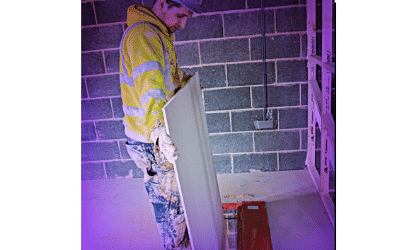
The director of a construction company has been sentenced after a subcontractor suffered serious injuries when a stack of plasterboards fell on him at a construction site in Thames Ditton, Surrey.
Brighton Magistrates’ Court heard that on 12 April 2019, subcontractors were moving sheets of plasterboard weighing 32kg each from the ground floor to the second floor of a house undergoing refurbishment. As there was no staircase in place, they were stacking the plasterboard against an unsecured ladder and sliding them up to the floor above. During the process the plasterboards fell on the worker, fracturing his pelvis.
An investigation by the Health and Safety Executive found there was no safe system of work in place and the workers were not being adequately supervised. The stairwell openings were not guarded and they were partially spanned with scaffold boards resting on insecure scaffold poles, creating a significant fall risk.
Siamak Samyani the sole director of SS Reforms Limited of Eastcote Avenue, West Molesey, Surrey pleaded guilty to breaching Section 37 of the Health and Safety at Work Etc Act 1974. He was sentenced to 20 weeks in custody suspended for 12 months, fined £3,400 and ordered to pay costs of £600.
Speaking after the hearing, HSE inspector Andrew Cousins said: “This was a wholly avoidable incident, caused by the failure of the director to devise and implement a suitable safe system of work.
“Companies should be aware that HSE will not hesitate to take appropriate enforcement action against those who fall below the required standards.”
FIS has created a guide for the Safe Ingress of Plasterboard, which is available to download here.
by Clair Mooney | 21 Jan, 2021 | Main News Feed
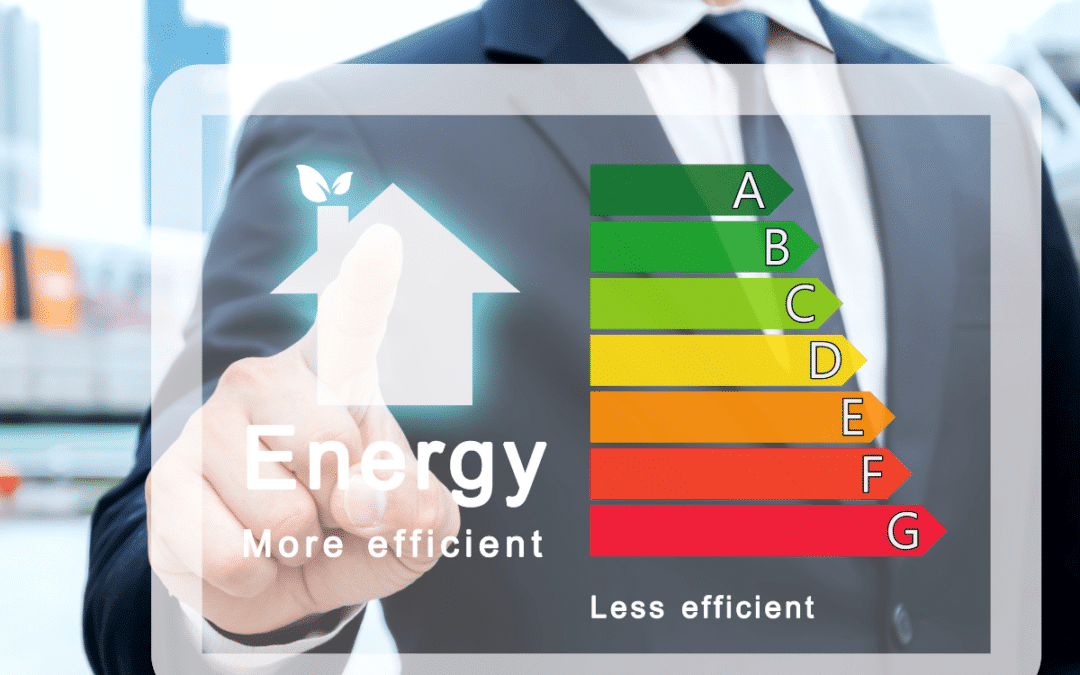
All homes and businesses will have to meet rigorous new energy efficiency standards to lower energy consumption and bills, helping to protect the environment, the Housing Minister Chris Pincher has announced.
Responding to a consultation on the Future Homes Standard, the government has set out plans to radically improve the energy performance of new homes, with all homes to be highly energy efficient, with low carbon heating and be zero carbon ready by 2025.These homes are expected to produce 75-80% lower carbon emissions compared to current levels. To ensure industry is ready to meet the new standards by 2025, new homes will be expected to produce 31% lower carbon emissions from 2021.
Existing homes will also be subject to higher standards – with a significant improvement on the standard for extensions, making homes warmer and reducing bills. The requirement for replacement, repairs and parts to be more energy efficient. This includes the replacement of windows and building services such as heat pumps, cooling systems, or fixed lighting.
Housing Minister Rt Hon Christopher Pincher MP said:
Improving the energy performance of buildings is vital to achieving net-zero emissions by 2050 and protecting the environment for future generations to come.
The radical new standards announced today will not only improve energy efficiency of existing homes and other buildings, but will also ensure our new homes are fit for the future, by reducing emissions from new homes by at least 75%.
This will help deliver greener homes and buildings, as well as reducing energy bills for hard-working families and businesses.
The government plans also include measures to tackle;
- Ventilation – a new requirement for additional ventilation and indoor air quality monitoring in high-risk non-domestic buildings such as offices and gyms, reducing the risk of any potential infections being spread indoors.
- Overheating in residential buildings – a new overheating mitigation requirement in the Building Regulations.
There will be stringent transitional arrangements in place to provide all developers with certainty about the standards they are building. These will last for one year and apply to individual homes, rather than an entire development.
The government has also announced a consultation on higher performance targets for non-domestic buildings which will mean they will be zero carbon ready by 2025.
Taken together these measures will help to lower the cost of energy bills for families, while helping to tackle our climate change goals.
The government is committed to reaching net-zero and is taking considerable action to address the emissions from buildings – with heating and powering buildings currently accounting for 40% of the UK’s total energy usage.
There has already been considerable progress made on emissions from homes, with overall total emissions reduced by about a fifth since 1990 despite there being approximately a quarter more homes.
In 2019 the government introduced a legally binding target to reduce greenhouse gas emissions to net zero by 2050 – making the UK the first major economy in the world to legislate a zero net emissions target. The measures announced today recognise the important role that the energy efficiency of buildings can play in achieving this goal.

by Clair Mooney | 21 Jan, 2021 | Skills
The Institute announced its plans to move to a simplified EQA system in August 2020. The changes will see EQA delivered by Ofqual or, for integrated degree apprenticeships, the Office for Students (OfS).
The Institute is now setting up a new group of professional and employer-led organisations – called the Employer Directory – for Ofqual and OfS to draw on industry expertise.
We want as many sector representative bodies as possible to apply and support us with real industry insight. This will keep employers at the heart of protecting quality in apprenticeships. Please share the Institute’s employer directory page with your networks and across your social media channels.

by Iain McIlwee | 21 Jan, 2021 | Main News Feed
To support members in dealing with COVID requirements and the latest edition of the Site Operating Procedures in Scotland (issued this month by Construction Scotland), new guidance has been issued by the CICV Forum Health and Safety Subcommittee, supported by FIS. Whilst it is targeted at the Scottish Operating Procedures, this guidance is developed by a panel of experts and draws on the best available guidance, nationally and internationally.
You can download the latest CICV SOP Guidance Book here
You can access the FIS COVID-19 H&S Hub here.