Fire Prevention on Construction Sites: The Joint Code of Practice on the Protection from Fire of Construction Sites and Buildings Undergoing Renovation

Fire Prevention on Construction Sites: The Joint Code of Practice on the Protection from Fire of Construction Sites and Buildings Undergoing Renovation

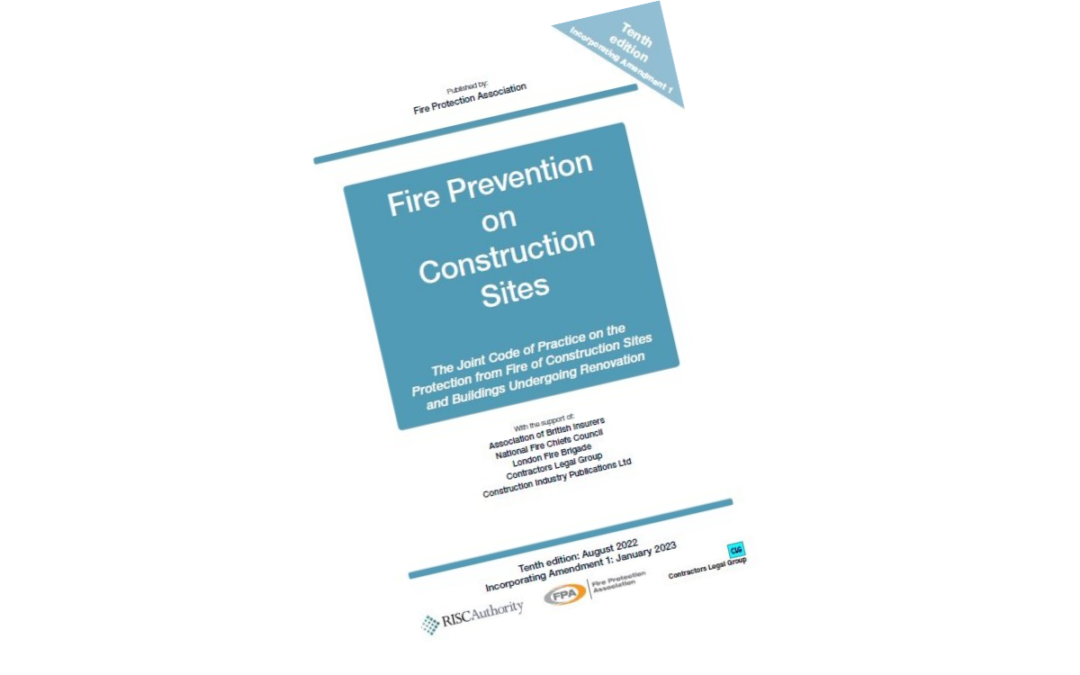
The Joint Code of Practice for Fire Prevention on Construction Sites was first published in 1992 with the objective of preventing fires on construction sites. Now in its 10th edition, the code has been revised and re-issued to ensure it continues to address not only long-standing risks such as hot work, but also reflects changes in standards, practice and the more prevalent use of modern materials and construction methods.

Excerpt from the Code of Practice:

“Every year there are numerous major fires on construction sites and in buildings undergoing refurbishment. All have serious consequences: people are killed and injured; buildings, including those of historic interest, are destroyed. Plant and equipment is damaged, work is held up and completion dates are not met.

The objective of this Code is the prevention of fires on construction sites. The majority of fires can be prevented by designing out risks, taking simple precautions, and by adopting safe working practices. All parties involved must work together to ensure that adequate detection and prevention measures are incorporated during design and contract planning stages; and that the work on site is undertaken to the highest standard of fire safety, thereby affording the maximum level of protection to the Building and its occupants.”

Click here to download a free copy of the latest guide

Young workers’ safety highlighted during National Apprentice Week

Young workers’ safety highlighted during National Apprentice Week

National Apprenticeship Week is a timely reminder to enusre young workers are receiving the training and supervision they need. Workers are as likely to have an accident in the first 6 months at a workplace as they are during the whole of the rest of their working life.

Apprentices could be facing unfamiliar risks and are more likely to be new to the workplace. The HSE website has information on health and safety for apprentices. There is also a wide range of guidance on its young people at work website, including:

HSE releases new Construction Welfare Standards

HSE releases new Construction Welfare Standards

he Health & Safety Executive (HSE) has released a guidance document on the provision of welfare facilities on construction sites, following frequent reports of poor hygiene and sanitation.

The guidance outlines what HSE Construction Inspectors require from building site managers. It includes their duties, information on the regulations, and guidance on interpreting standards.

The guidance document covers:

  • sanitation in toilets and cleaning areas
  • privacy for men and women
  • adequate space, lighting, and ventilation
  • how many cubicles/ urinals/ washbasins for the number of workers

Members can download guidance here.

MEWP guidance on whiplash effect

MEWP guidance on whiplash effect

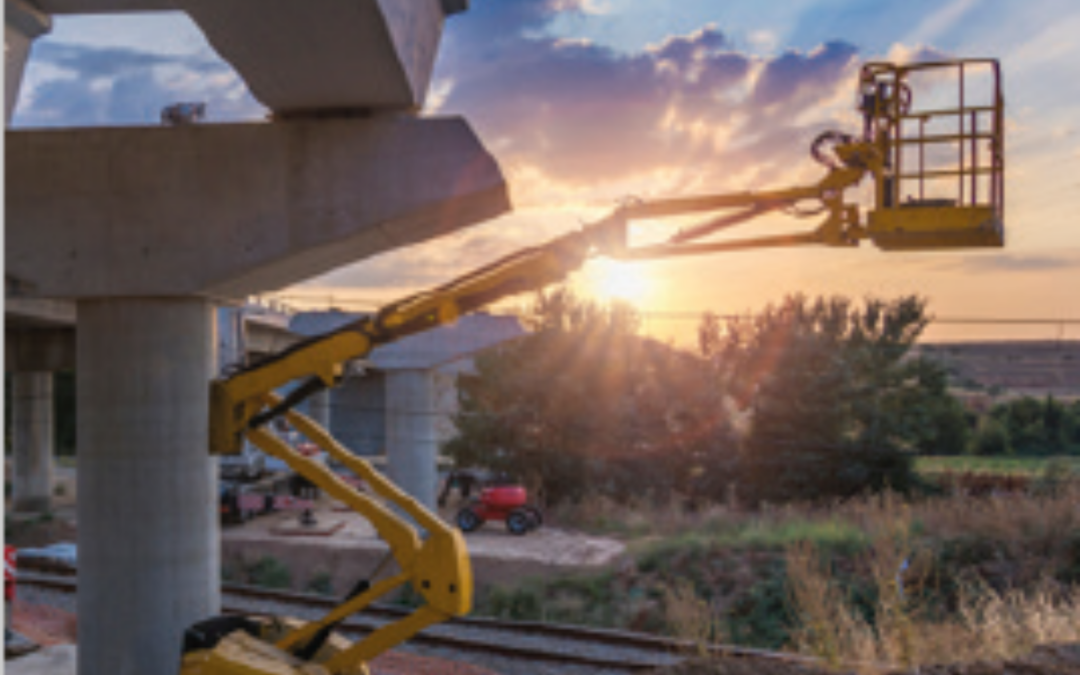
Build UK member IPAF has issued guidance on the ‘catapult’ or whiplash effect which can occur when using mobile elevating work platforms (MEWPs) and result in occupants or materials being ejected from the MEWP. Ensuing work at height is properly planned with adequate control measures can prevent serious or fatal injury.

Drugs and alcohol policy

Drugs and alcohol policy

FIS members can access a template Drugs and Alcohol Policy which can be adopted by the whole supply chain to provide a consistent approach to the use of drugs and alcohol.

The policy has been developed by Build UK, working with Eurofins Workplace Drug Testing.

The policy recognises that there are different legal limits across the nations and workplace environments, along with various ways of testing and has been developed in response to calls from members to provide a consistent framework for drug and alcohol testing as well as dealing with instances of misuse, eliminating unnecessary duplication and waste across the industry.

The template policy can also be used to meet the relevant requirement in the Common Assessment Standard ‐ question 173 which asks ‘Do you have a drugs and alcohol policy?’.

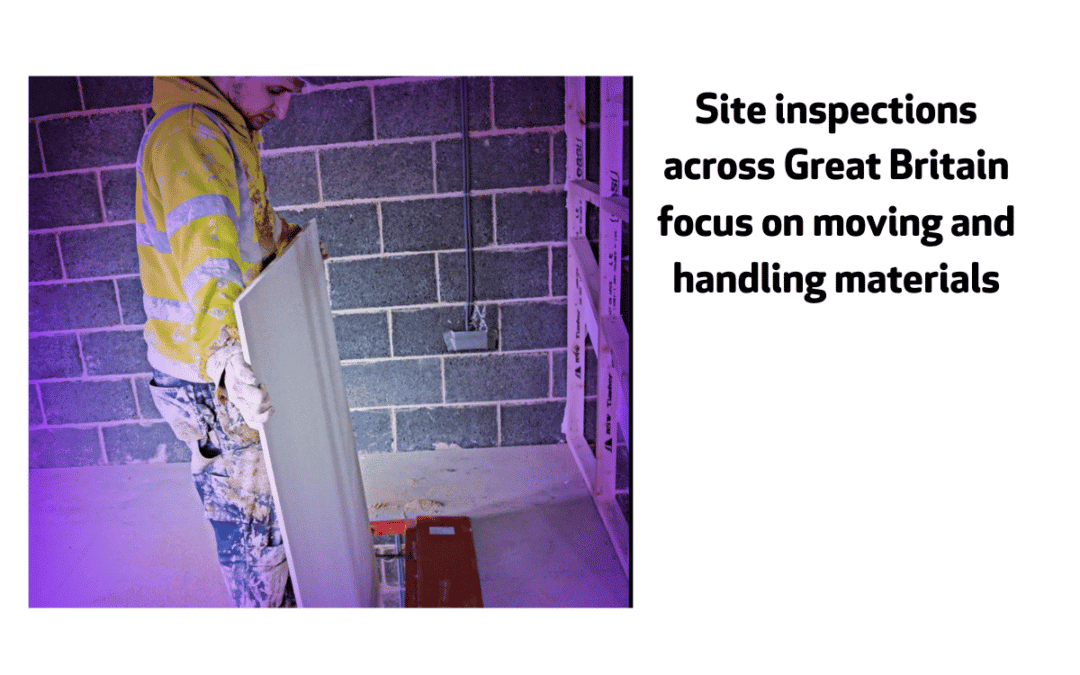
Site inspections across Great Britain focus on moving and handling materials

Site inspections across Great Britain focus on moving and handling materials

Construction sites are being targeted from Monday 3 October as part of a health inspection initiative supported by the ‘Work Right Construction: Your health. Your future’ campaign.

The campaign is raising awareness of health issues in relation to moving and handling materials to improve the long-term health of those working in construction.

Site inspections will focus on moving and handling construction materials will be checking employers and workers know the risks, plan their work and are using sensible control measures to protect workers from injuries and aches, pain and discomfort in joints, muscles and bones known as musculoskeletal disorders (MSDs).

An estimated 40,000 construction workers suffered work-related MSDs last year. These injuries can have a serious impact on workers’ ability to perform tasks; their quality of life; and in some cases, their ability to stay in work and earn a living. Many can and do suffer from long-term pain and discomfort.

Act now to protect workers’ health
Employers have a legal responsibility to protect workers from ill health and should involve them in managing the risks to their health just as they would with safety.

Workers should not have to accept these injuries and potential long-term suffering as an inevitable part of construction work. They should talk to their employer about the risks and the measures in place to protect their health.

We have advice for employers, workers and small builders.

FIS Best Practice Guide for the safe ingress of plasterboard

The aim of this guide is to improve health and safety when plasterboard is delivered, moved and stored. Each stage should be planned, communicated and acted on to reduce the risk of injury and ensure a safe working conditions for everyone on site and also that the requirements of The Construction (Design and Management) Regulations (CDM) are met.