

Following recent announcements, FIS welcomes the Prime Minister’s recognition that there should be no hierarchy between academic and technical education, and that young people should have the freedom to choose the route that best suits their ambitions and strengths. For construction, apprenticeships and skilled trades offer a valuable pathway into rewarding careers, combining practical experience, recognised qualifications and the opportunity to build a long term career in a vital industry.
The Government is backing that ambition by investing in more opportunities for young people closer to home. By expanding access to colleges, apprenticeships, technical training and high-quality work experience, we can help young people develop the skills employers need while creating stronger local economies. This means making sure young people have access to the opportunities they need without having to move away from their families and communities.
Stronger links between education providers and local businesses will also help create a clearer pathway from education into good, skilled jobs. By bringing employers closer to schools, colleges and training providers, young people can gain practical experience, understand the opportunities available to them and develop the skills needed to build successful careers. At the same time, local businesses benefit from a stronger pipeline of home-grown talent.
For too long, where someone lives or the type of education they choose has shaped the opportunities available to them. This approach is about changing, giving young people more choice, more practical opportunities and a stronger start in their working lives. Success does not look the same for everyone, but every young person should have the chance to build a fulfilling career and a secure future, whether their journey begins in a lecture theatre, a college workshop or on the job.
For more information on career routes into the sector contact FIS Head of Skills and Training Beena Nana or FIS Skills and Training Advisor Marie Flinter.
See more news likes this
Change is coming for non-government apprentice levy paying FIS members
Since the introduction of the Government Apprenticeship Levy in England, FIS has been listening to those affected and measuring the impact on a large part of its membership who are not required to pay the levy. It will come as no surprise to some of you, that access...
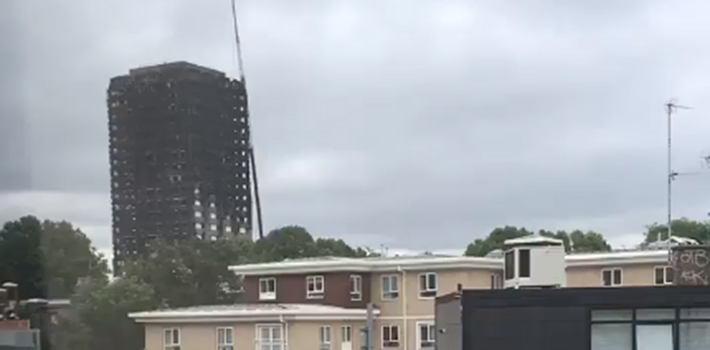
Government response to the Grenfell Tower Inquiry Phase 1
The Government’s response to the Grenfell Tower Inquiry Phase 1 Report sets out the steps it is taking to implement the report’s recommendations as well as the wider work it is doing to make building safer. Key areas covered in this document relevant to FIS Members...

Fire Safety: New and Consolidated Guidance on Fire Doors, Risk Assessments, External Cladding and Smoke
Under the Government’s Building Safety Programme, MHCLG have issued a consolidating note bringing together all previously published Advice Notes No. 1 - 22 issued by The Expert Panel. This note is directed at building owners of multi-storey, multi-occupied residential...