by Clair Mooney | 17 Feb, 2022 | Skills
Apprentices are a vital investment in the future. A well managed programme can help enhance productivity, improve business performance and develop a committed and competent workforce.
To help support businesses in taking on an apprentice, FIS has created a useful guide detailing the support and funding available to help you to make your apprenticeship programme a success. It provides employers with the information needed to recruit, register and secure funding for apprentices. The guide includes information on the apprenticeship funding pledge and receive system and details on the CITB Grant ‘Travel to Train’.
The guide also includes access to the CITB Apprenticeship Recruitment Toolkit, which provides further guidance for recruiting and supporting apprenticeships. The toolkit details the various routes to hiring an apprentice across England, Scotland, and Wales. There is also, a choice of four other sections to explore, including support available from CITB. This includes assisting employers with completing paperwork, or financial support, with a breakdown on how to claim funding and CITB grants for apprentices.
If you would like to talk through the options for employing apprentices give us a call, 0121 707 0077 or email info@thefis.org we will be happy to help.
by Clair Mooney | 11 Feb, 2022 | Skills
National Apprenticeship Week 2022 is well underway and this year’s theme ‘Build the Future’ provides an opportunity for organisations to inform young people in England and Wales how they can pursue a rewarding career in construction and showcase the contribution they are making to the future finishes and interiors workforce.
It also ensures as a sector, we come together and celebrate apprenticeship journeys and successes as well as to say ‘Thank You’ to everyone who makes them possible.
We are thrilled to have seen so many members get involved showcasing their apprentices. If you haven’t already done so, it’s not too late to get involved!
• Celebrate your apprentices ‐ Put your apprentices front and centre of your business and on social media using the hashtag #NAW2022
• Use your Apprenticeship Levy ‐ make sure you are using your Apprenticeship Levy or pledging it to other employers in your supply chain via the Apprenticeship Levy Transfer to help them deliver their apprenticeships.
• Promote your apprenticeship vacancies ‐ Ensure all your apprenticeship opportunities are registered on the FIS JobSpot and let us know about work placement opportunities.
Support and advice
The FIS website has a range of tips and advice on how you can look at taking on apprentices, including our FIS Apprentice – Guidance for Employers.
We can also support you in taking on an apprentice and accessing the appropriate funding. Contact the FIS team on 0121 707 0077 or email info@thefis.org to start the conversation.
For updates during the week follow FIS on Twitter or FIS on Linkedin and if you are sharing an apprenticeship story, please tag us in so we can help amplify on behalf of our community.
by Clair Mooney | 10 Feb, 2022 | Skills
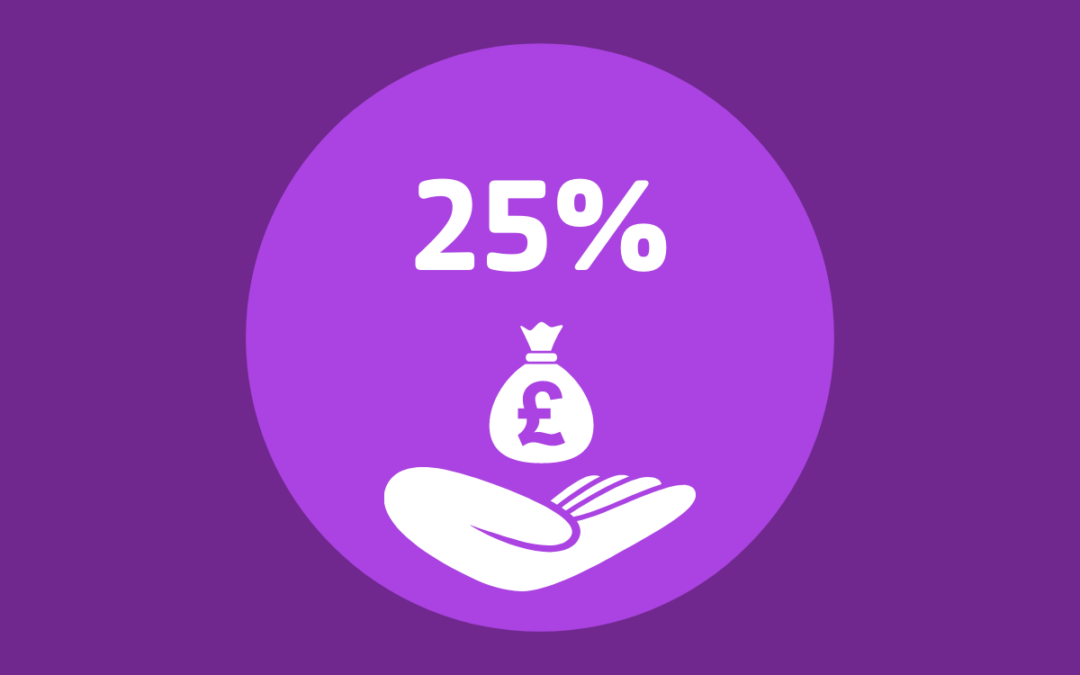
Employers in England that pay the apprenticeship levy can transfer their unused apprenticeship funds to help other organisations pay for apprenticeship training. The employer that receives the funds can only use them to pay for apprenticeship training and assessment. You can transfer up to
25% of your apprenticeship funds.
Prior to sign up you will need an apprenticeship service account
Create an account to manage apprenticeships – Manage apprentices (manage-apprenticeships.service.gov.uk)
Transferring Your Apprenticeship Levy to Another Business
Transferring your apprenticeship levy to another business – GOV.UK (www.gov.uk)
An apprenticeship levy paying employer can transfer up to 25% of their annual levy funds to another employer to pay for the training and assessment costs for apprenticeship standards. Transfers can support new apprenticeship starts, this includes existing staff starting an apprenticeship or where the apprentice’s employer has changed. Transfers may be used to support the skills gaps and shortages within locations or sectors.
Receive a Levy Transfer from another Business to Fund an Apprenticeship
Receive a levy transfer from another business to fund an apprenticeship – GOV.UK (www.gov.uk)
Transfers is one way of receiving funding to support the costs of apprenticeship training and assessment. By receiving a transfer, if you do not pay the levy then you will save the 5% employer co-investment. Also, transfers do not count towards reservation of funds. Apprenticeships are not just for new employees; they are available to upskill existing employees too.

by Clair Mooney | 10 Feb, 2022 | Skills
Way to Work is a new partnership between government and employers to get 500,000 jobseekers into work by the end of June 2022.
This partnership will help fill the large number of vacancies and help job-ready people into the labour market. If you are looking to fill a vacancy, Jobcentre Plus can offer you a named employer adviser in your local jobcentre, or a dedicated national account manager if you are a national employer.
For more information- Way to Work – JobHelp (campaign.gov.uk)

by Clair Mooney | 28 Jan, 2022 | Main News Feed, Skills
T-Levels are a new approach to sector engagement, designed to develop and secure advanced technical skills aligned to industry standards, and to address the increasing skills shortages and labour costs in industries such as construction, as well as the many benefits (for all parties) of placing committed and motivated students into workplaces, through industrial placements. Often technical students can make a genuine and lasting contribution and present a valuable new recruitment channel to any business.
FIS has been offered the opportunity to host an employer support package presentation, providing information on the benefits of T-Level’s and the support available for employers. There will also be opportunity to ask any questions you have. If you are interested in attending, please email georgeswann@thefis.org by Friday 11 February 2022.
About T-Levels
T-Levels are new courses which follow GCSEs and are deemed to be equivalent to three A levels. These two year courses, which launched September 2020, are for 16 to 19 year olds and have been developed in collaboration with employers and businesses so that the content meets the needs of industry and prepares students for work, further training or study.
T-Levels offer students a mixture of 80% classroom learning and 20% ‘on-the-job’ experience during an industry placement of at least 45 days. The placement can take place as a block, day release or a mix of these, and employers receive an incentive payment of £1000 per student. The scheme is designed for employer to:
- Grow the talent pipeline
- Attract a new generation of recruits from new sources
- Tackle skill shortages
- A chance to see potential future recruits using their skills and abilities
- Streamline recruitment processes
For details of the support available for employers please see T Levels and industry placement support for employers
There are currently two Construction T-Levels:
Design, surveying and planning for construction (available now) the course offers a core knowledge of how the construction industry works, the principles of design and the role of technology and sustainability. Students then have the chance to specialise in either Building services design, Civil engineering, Hazardous materials analysis or surveying.
Onsite construction (started September 2021) learners have the option to cover at least one trade from a choice of bricklaying, carpentry and joinery, painting and decorating or plastering. FIS are seeking support to develop an occupational specialism in interior systems installation.
There are a number of progression options open to students. These include skilled employment, an apprenticeship and higher education. UCAS points are attached to the overall T-Level achievement grade. If you would like to offer an Industrial Placement for T-Level students, you can register at Employers Next Steps or call 08000 150 600 (choose option 4).
There is a CSCS Card for Industry Placement: https://www.cscs.uk.com/card-type/industry-placement-card/ specially for T-Level and Traineeship students.

by Clair Mooney | 27 Jan, 2022 | Drylining, Skills
Leeds College of Building Interior Systems Installer Apprenticeship Programme 2022
Enrolment is now open for the Dry Lining option of the Interior Systems Installer Apprenticeship, for full details please see: Interior Systems Installer | Drylining Apprenticeship Training Course | Level 2 NVQ (lcb.ac.uk). Under the current Apprenticeship funding system, the employment of a 16-18 year old apprentice is fully funded by the government where an employer has less than 50 employees. If 50+ employees, the employer will only pay 5% of the course cost resulting in a nominal fee of £700 split across two years.
CITB registered organisations will be eligible to claim the apprentice attendance grant of £2500 per year and apprentice achievement grant at £3500. The government also offer a £1000 incentive payment to all employers who recruit a 16-18 year old apprentice.
In summary the apprenticeship training is a 24 month programme delivered on block release in 11 x 1 week blocks. This provides an opportunity for organisations anywhere in England to send their apprentices. Block release tends to make the individual capable for more tasks when they return to site. The college will assist in securing accommodation for students and for organisations that are CITB registered, grants are available for apprentice travel and subsistence covering up to 80% of the costs, please see: Apprenticeship travel and accommodation funding ‘Travel to Train’ – CITB
If you are considering taking on an apprentice and would like to find out more about the Level 2 Interior Systems Installer Apprenticeship please get in touch with the Apprenticeship Team at Leeds College of Building. They will be able to advise you on the course content, offer advice for apprenticeship levy and non-levy payers and provide details on the end point assessment (EPA). They can assist employers with the process by providing informative emails, videos and telephone assistance, Call: 0113 222 6041 or Email: wbl@lcb.ac.uk
From 1 April 2021 all employers are required to use the government apprenticeship service to secure funding for any apprentices they wish to employ. Apprentices will be unable to start their course at college without reserving funding.
FIS will be happy to provide information advice and guidance on recruiting apprentices take a look at the FIS Apprentice – Guidance for Employers, downloadable from the FIS web site at: https://www.thefis.org/skills-hub/apprenticeships-and-qualifications/apprenticeships-employers/. Alternatively call George Swann on 07553 874838 or email georgeswann@thefis.org