

FIS has now submitted its formal response to the HSE consultation on the effectiveness of the Personal Protective Equipment at Work (Amendment) Regulations 2022, including the extension of PPE requirements to “Limb (b) workers”.
The issue has been a longstanding concern for sector, with members highlighting uncertainty around the application of the regulations, responsibility for providing PPE, differing interpretations across the industry, worker-owned PPE and the practical challenges of compliance.
Our response draws on feedback from members and calls for clearer, construction-specific guidance to ensure the regulations are applied consistently and proportionately and we will continue to engage with HSE on the next steps and future guidance. You can read the full response here.
FIS would like to thank members who shared their experiences and contributed to the response.
Health and Safety Toolkit
It is a core objective of FIS to help reduce risk and create a healthier and safer construction environment for all. Our H&S Toolkit aims to support our members work in this area.
See more news likes this

Mapping out the road to competency and compliance
Dame Judith Hackett was clear in her interim report of Building Regulations and Fire Safety that there has been a lack of evidence of compliance and competency and even clearer that the industry needed to address this. So, what has happened since February 2018 and do...
Brexit Update: Supply of materials
Build UK has worked with the CIPS to publish a detailed report on the impact of the UK leaving the EU on the supply of construction materials from 1 January 2021. The report identifies whether materials may be in short supply or have longer lead times and it will be...
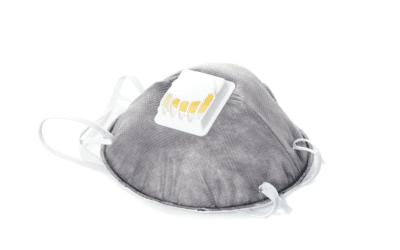
Using power tools: avoiding the need for RPE during the pandemic
HSE has published advice explaining alternative ways of working to reduce risk which may mean you no longer need to use respiratory protective equipment (RPE) for working with power tools. We have guidance explaining the control measures employers should consider when...