
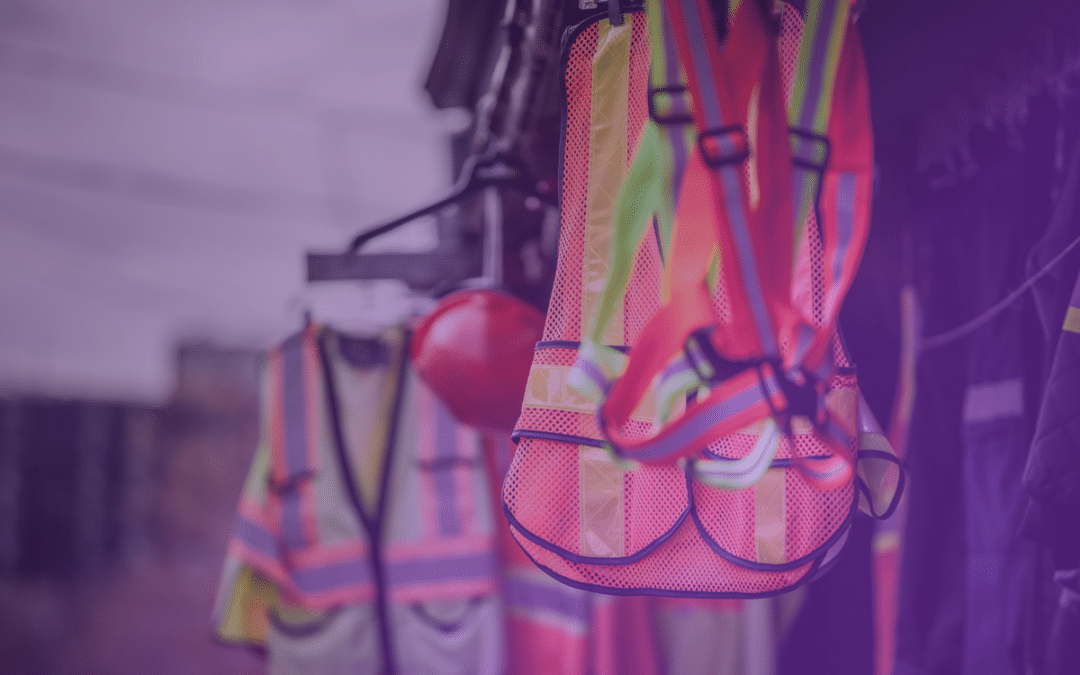
FIS has now submitted its formal response to the HSE consultation on the effectiveness of the Personal Protective Equipment at Work (Amendment) Regulations 2022, including the extension of PPE requirements to “Limb (b) workers”.
The issue has been a longstanding concern for sector, with members highlighting uncertainty around the application of the regulations, responsibility for providing PPE, differing interpretations across the industry, worker-owned PPE and the practical challenges of compliance.
Our response draws on feedback from members and calls for clearer, construction-specific guidance to ensure the regulations are applied consistently and proportionately and we will continue to engage with HSE on the next steps and future guidance. You can read the full response here.
FIS would like to thank members who shared their experiences and contributed to the response.
Health and Safety Toolkit
It is a core objective of FIS to help reduce risk and create a healthier and safer construction environment for all. Our H&S Toolkit aims to support our members work in this area.
See more news likes this
Incentive payments for taking on an apprentice
Hiring an apprentice is a productive and effective way to grow talent and develop a motivated, skilled and qualified workforce. Incentive payments are available to employers, but differ across each home nation. Wales The Employer Incentive Scheme in Wales will now run...
SME’s can continue to claim back coronavirus‐related SSP
Employers with fewer than 250 employees can continue to use the Coronavirus Statutory Sick Pay Rebate Scheme to claim back coronavirus‐related SSP, including for employees who have been advised by letter to shield because they are clinically extremely vulnerable....
Reverse Charge VAT: Managing change
In this webinar, tax expert Liz Bridge discussed the issues and challenges associated with the implementation of the Domestic Reverse Charge VAT, which came into effect on 1 March 2021. It looked at how to manage Reverse Charge VAT in your business and there was...