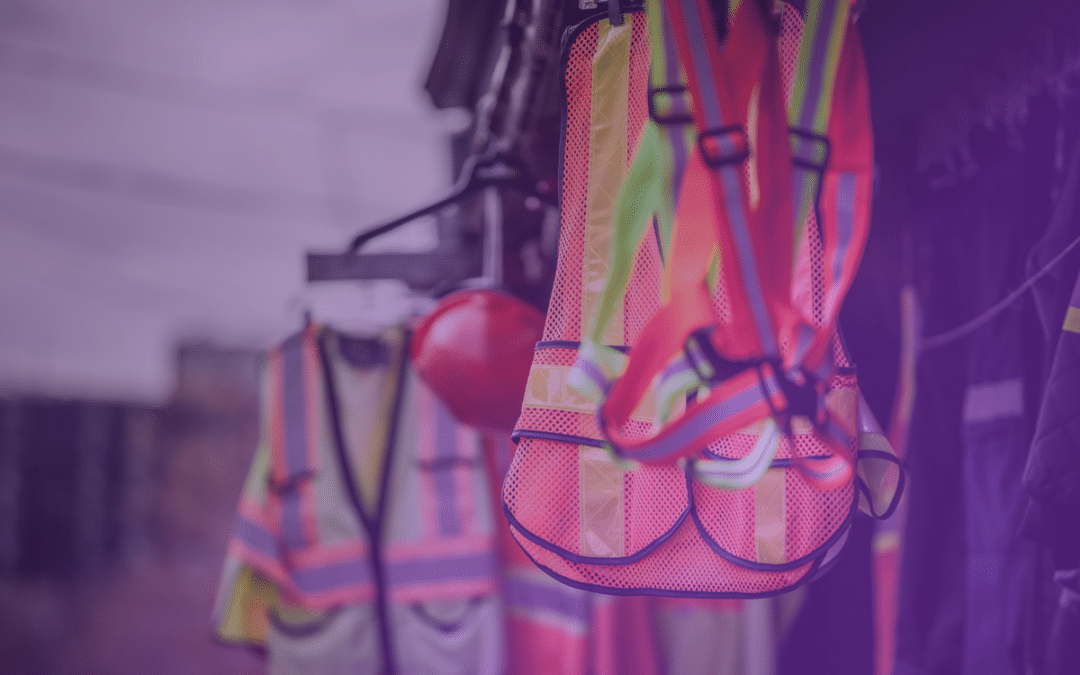
FIS has now submitted its formal response to the HSE consultation on the effectiveness of the Personal Protective Equipment at Work (Amendment) Regulations 2022, including the extension of PPE requirements to “Limb (b) workers”.
The issue has been a longstanding concern for sector, with members highlighting uncertainty around the application of the regulations, responsibility for providing PPE, differing interpretations across the industry, worker-owned PPE and the practical challenges of compliance.
Our response draws on feedback from members and calls for clearer, construction-specific guidance to ensure the regulations are applied consistently and proportionately and we will continue to engage with HSE on the next steps and future guidance. You can read the full response here.
FIS would like to thank members who shared their experiences and contributed to the response.
Health and Safety Toolkit
It is a core objective of FIS to help reduce risk and create a healthier and safer construction environment for all. Our H&S Toolkit aims to support our members work in this area.
See more news likes this

Prompt payment threshold to be increased from April
The prompt payment threshold for suppliers bidding for Government contracts above £5 million per annum will be increased again from 1 April 2022. In accordance with updated Procurement Policy Note (PPN) 08/21, suppliers will be required to show that they pay 90% of...

Forum changes name to Construction Industry Collective Voice (CICV)
After nearly two years dedicated to steering the Scottish building sector through the worst crisis in its history, the Forum has changed its name to reflect its expanded remit and ongoing collaborative vision for the future. The unique alliance of trade associations...
A quick round-up of what the new COVID Guidelines mean to you
Updated 11 January 2022 - changes to testing requirements - new flowchart issued by BuildUK. The UK faces a new COVID challenge at the start of 2022 with evidence pointing to a highly transmissible, but thankfully less severe strain. With the highest level of...