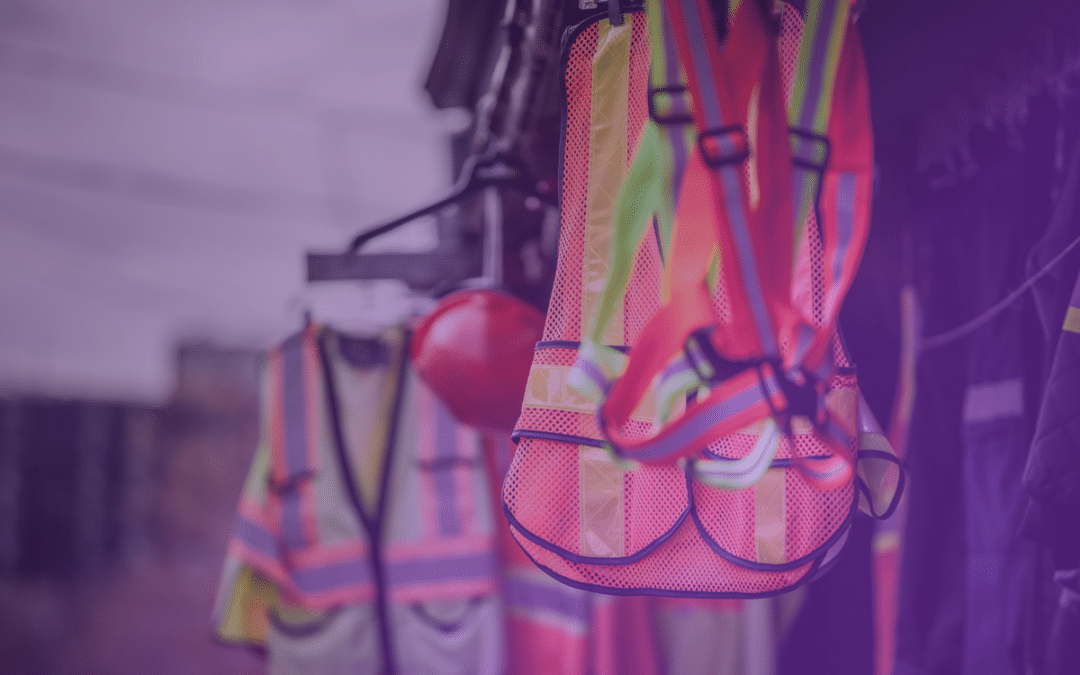
FIS has now submitted its formal response to the HSE consultation on the effectiveness of the Personal Protective Equipment at Work (Amendment) Regulations 2022, including the extension of PPE requirements to “Limb (b) workers”.
The issue has been a longstanding concern for sector, with members highlighting uncertainty around the application of the regulations, responsibility for providing PPE, differing interpretations across the industry, worker-owned PPE and the practical challenges of compliance.
Our response draws on feedback from members and calls for clearer, construction-specific guidance to ensure the regulations are applied consistently and proportionately and we will continue to engage with HSE on the next steps and future guidance. You can read the full response here.
FIS would like to thank members who shared their experiences and contributed to the response.
Health and Safety Toolkit
It is a core objective of FIS to help reduce risk and create a healthier and safer construction environment for all. Our H&S Toolkit aims to support our members work in this area.
See more news likes this

FIS issues guidance on fire door openings – limitations of testing
In response to queries highlighted at the “getting it right” seminar earlier this year, and with the assistance of our members we have drafted a short technical note to help raise awareness of the restrictions on minimum nib sizes between and around fire rated doorset...

Access to EV chargepoint grants
SMEs can get grants from the Office for Zero Emission Vehicles to install electric vehicle charging infrastructure in their commercial car parks. Eligible businesses can claim £350 for each chargepoint socket installed and £500 per parking space enabled with...
MEWP guidance on whiplash effect
Build UK member IPAF has issued guidance on the ‘catapult’ or whiplash effect which can occur when using mobile elevating work platforms (MEWPs) and result in occupants or materials being ejected from the MEWP. Ensuing work at height is properly planned with adequate...