

FIS has now submitted its formal response to the HSE consultation on the effectiveness of the Personal Protective Equipment at Work (Amendment) Regulations 2022, including the extension of PPE requirements to “Limb (b) workers”.
The issue has been a longstanding concern for sector, with members highlighting uncertainty around the application of the regulations, responsibility for providing PPE, differing interpretations across the industry, worker-owned PPE and the practical challenges of compliance.
Our response draws on feedback from members and calls for clearer, construction-specific guidance to ensure the regulations are applied consistently and proportionately and we will continue to engage with HSE on the next steps and future guidance. You can read the full response here.
FIS would like to thank members who shared their experiences and contributed to the response.
Health and Safety Toolkit
It is a core objective of FIS to help reduce risk and create a healthier and safer construction environment for all. Our H&S Toolkit aims to support our members work in this area.
See more news likes this

New in-depth report puts procurement practices in the finishes and interiors sector under the spotlight
The University of Reading, Finishes and Interiors Sector (FIS) and AMA Research (part of Barbour ABI) have today launched a new report Procurement in the Finishes, Fit-Out and Interiors Sector, aiming to better understand how procurement practices are affecting the...

CITB increases grant to support transition from industrial accreditation CSCS cards
To support construction workers to transition from an Industry Accreditation (IA) card to a qualification, CITB is increasing the grant for specific supervision NVQ Diplomas/SVQs to £1,250 and specific management NVQ Diplomas/SVQs to £1,500 for achievements from 1...
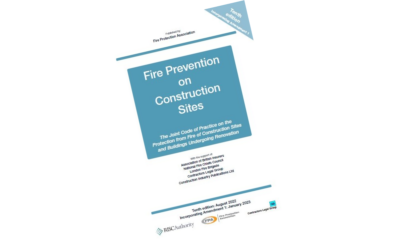
Fire Prevention on Construction Sites: The Joint Code of Practice on the Protection from Fire of Construction Sites and Buildings Undergoing Renovation
The Joint Code of Practice for Fire Prevention on Construction Sites was first published in 1992 with the objective of preventing fires on construction sites. Now in its 10th edition, the code has been revised and re-issued to ensure it continues to address not only...