

FIS has now submitted its formal response to the HSE consultation on the effectiveness of the Personal Protective Equipment at Work (Amendment) Regulations 2022, including the extension of PPE requirements to “Limb (b) workers”.
The issue has been a longstanding concern for sector, with members highlighting uncertainty around the application of the regulations, responsibility for providing PPE, differing interpretations across the industry, worker-owned PPE and the practical challenges of compliance.
Our response draws on feedback from members and calls for clearer, construction-specific guidance to ensure the regulations are applied consistently and proportionately and we will continue to engage with HSE on the next steps and future guidance. You can read the full response here.
FIS would like to thank members who shared their experiences and contributed to the response.
Health and Safety Toolkit
It is a core objective of FIS to help reduce risk and create a healthier and safer construction environment for all. Our H&S Toolkit aims to support our members work in this area.
See more news likes this

Updated: Guidance for FIS members on the administration of Zentia
FIS Member Note: Zentia Administration FIS legal advisers, Hill Dickinson, have provided guidance for FIS members regarding the current administration of Zentia. The note includes guidance on products already in situ on schemes that are nearing completion (i.e. in...

Scottish Government Backs Commercial Payments Bill
The Scottish Government has confirmed its support for the UK Government's Commercial Payments Bill, marking an important milestone in the drive for fairer payment practices across the construction supply chain. The Bill seeks to address long-standing concerns around...
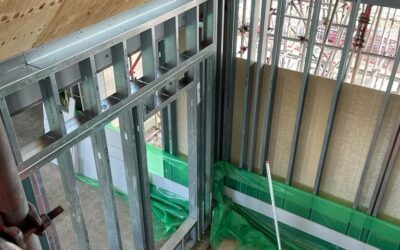
Impact of new Steel Tarriffs starting 1st July
The Government’s new steel trade measure came into force on 1st July. These tarriffs reduce steel import quotas by 51%, with imports above these levels now subject to a 50% tariff. Following concerns raised by industry, the reduction is less than the 60% originally...