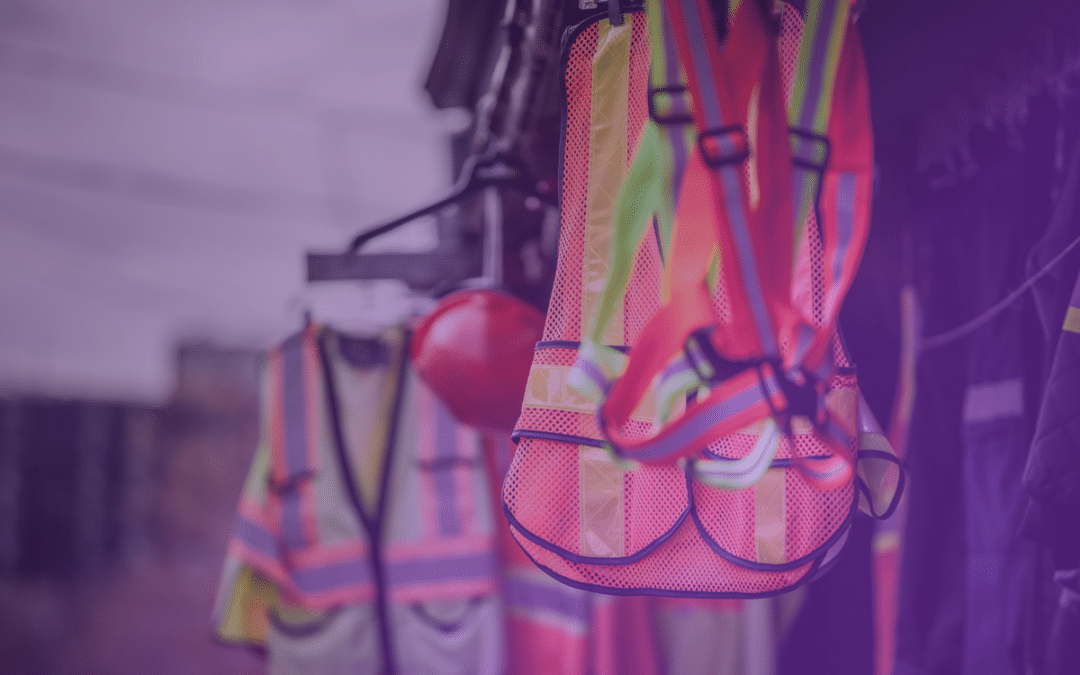
FIS has now submitted its formal response to the HSE consultation on the effectiveness of the Personal Protective Equipment at Work (Amendment) Regulations 2022, including the extension of PPE requirements to “Limb (b) workers”.
The issue has been a longstanding concern for sector, with members highlighting uncertainty around the application of the regulations, responsibility for providing PPE, differing interpretations across the industry, worker-owned PPE and the practical challenges of compliance.
Our response draws on feedback from members and calls for clearer, construction-specific guidance to ensure the regulations are applied consistently and proportionately and we will continue to engage with HSE on the next steps and future guidance. You can read the full response here.
FIS would like to thank members who shared their experiences and contributed to the response.
Health and Safety Toolkit
It is a core objective of FIS to help reduce risk and create a healthier and safer construction environment for all. Our H&S Toolkit aims to support our members work in this area.
See more news likes this

Review of Shortage Occupations List
The Migration Advisory Committee (MAC) has recommended to Government that just eight occupations across the whole economy should be on the Shortage Occupations List (SOL) going forward, including three in construction (bricklayers and masons; roofers, roof tilers and...

Funding available for NVQ Levels 2 and 3
FIS Training Provider member DMR has a suite of funding available for FIS members in Greater Manchester, Greater London and England. Greater Manchester: Greater Manchester Combined Authority Funding NVQ Level 2 & 3 in Drylining, Joinery, Fitted Interiors, Passive...

Guidance for contractors carrying out a pre fit-out audit
According to Defra, the construction industry is responsible for 68 million tonnes of construction and demolition wastes each year. While 92% of those wastes are recovered, that still leaves 5 million tonnes going to landfill. It is also understood that most of...