
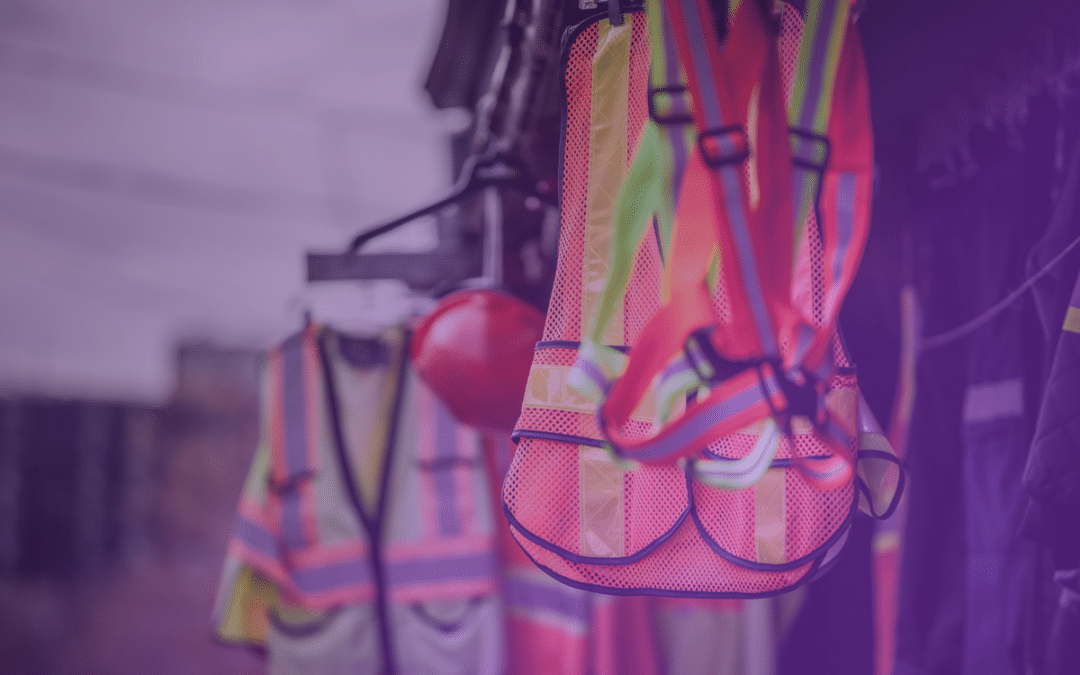
FIS has now submitted its formal response to the HSE consultation on the effectiveness of the Personal Protective Equipment at Work (Amendment) Regulations 2022, including the extension of PPE requirements to “Limb (b) workers”.
The issue has been a longstanding concern for sector, with members highlighting uncertainty around the application of the regulations, responsibility for providing PPE, differing interpretations across the industry, worker-owned PPE and the practical challenges of compliance.
Our response draws on feedback from members and calls for clearer, construction-specific guidance to ensure the regulations are applied consistently and proportionately and we will continue to engage with HSE on the next steps and future guidance. You can read the full response here.
FIS would like to thank members who shared their experiences and contributed to the response.
Health and Safety Toolkit
It is a core objective of FIS to help reduce risk and create a healthier and safer construction environment for all. Our H&S Toolkit aims to support our members work in this area.
See more news likes this

First companies to show leadership as CCPI Demand-Side Supporters Launch
Leading contractors, developers and housebuilders have stepped up to support the Code for Construction Product Information (CCPI) and signed a pledge to work with their strategic suppliers and manufacturers to drive CCPI conformance and raise standards in the...
FIS CEO joins new SKARating Board
Getting ready for Net Zero: SKA announces new Board and governance SKArating is announcing an exciting change in leadership and new plans to scale up to support the growing need to reshape sustainability in the fit-out world. SKArating has, over the last 15 years,...
Construction Sector Facing Weakness Across the Supply Chain
According to surveys conducted throughout the construction supply chain, the sector experienced a decline in activity during Q3 of 2023. Heavy side and light side manufacturers experienced sales declines, while chartered surveyors saw their workloads decrease. Small...