
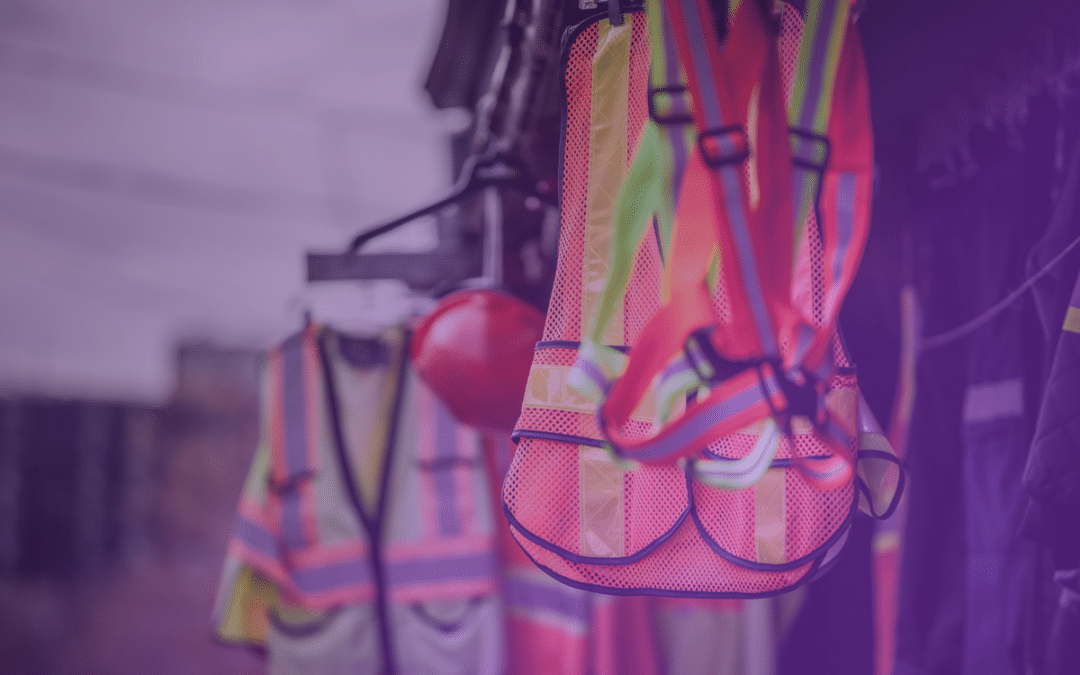
FIS has now submitted its formal response to the HSE consultation on the effectiveness of the Personal Protective Equipment at Work (Amendment) Regulations 2022, including the extension of PPE requirements to “Limb (b) workers”.
The issue has been a longstanding concern for sector, with members highlighting uncertainty around the application of the regulations, responsibility for providing PPE, differing interpretations across the industry, worker-owned PPE and the practical challenges of compliance.
Our response draws on feedback from members and calls for clearer, construction-specific guidance to ensure the regulations are applied consistently and proportionately and we will continue to engage with HSE on the next steps and future guidance. You can read the full response here.
FIS would like to thank members who shared their experiences and contributed to the response.
Health and Safety Toolkit
It is a core objective of FIS to help reduce risk and create a healthier and safer construction environment for all. Our H&S Toolkit aims to support our members work in this area.
See more news likes this

Inspiring the Next Generation: The Vital Role of STEM Ambassadors in Construction Apprenticeships
In an era where the construction industry is evolving rapidly, the need for skilled apprentices is more crucial than ever. Enter STEM Ambassadors—dedicated professionals who leverage their expertise and passion to inspire the next generation of workers. Their impact...
CPA highlights what to expect from construction in 2025 and 2026
Looking to the future, construction is set to bounce back from the obstacles of 2023 and 2024. While recovery is in sight, it's crucial to grasp the dynamics influencing its speed and shape. Forecasts suggest a slow but steady rise in construction output, particularly...

37% of Building Control applications for HRB’s invalid, rejected or withdrawn
Following a Freedom of Information request by a Build UK member, the HSE has confirmed that the Building Safety Regulator has received 1,427 applications for Building Control Approval for Higher‐Risk Buildings (HRBs), of which 214 have been approved (15%), 683 are...