

From 1 August 2022, the 20% off-the-job requirement for all apprenticeships will no longer apply. It will be replaced by a baseline of six hours per week, irrespective of hours worked by the apprentice. It means apprentices who work more than 30 hours per week can now spend less than 20% of their time doing off-the-job training. The Education and Skills Funding Agency (ESFA) has stated that this move, part of a package of changes to apprenticeships, ‘must not dilute the existing requirement, but provide the right level of training to every apprentice’. This shouldn’t be a problem for the training providers and employers. Employers have control over the training provided in the workplace.
It is an eminently sensible rule change and it should lead to a rise in apprenticeship numbers for these three reasons:
- Apprentices will be able to contribute more at a time when many businesses are still struggling to recover from the impact of the pandemic.
- It levels the playing field, meaning all apprentices will be required to engage in the same number of off the job hours, and are not penalised whether they work 30 hours a week, or 48 hours a week.
- It will be much more easily administered without the need for complex and varied calculations which have been an administrative burden for Training Providers
This now aligns to an academic training day of six hours rather than the working day of 7.5 hours, allowing Training Providers to standardise and create learning programmes for cohorts rather than individuals. It is advisable to create a working relationship with your Training Provider to ensure you know what subjects the apprentices will be covering when they are with the them. This does not remove the employers responsibility for training apprentices in the workplace and giving them time to practice the skills they learn in training in the workplace. If you need more information contact George on 07553 874838 or email georgeswann@thefis.org
Need help with apprenticeships?
More information is available in our Skills Hub
See more news likes this

CPA submits representation for Spring Budget 2023
The Construction Products Association (CPA) has submitted its representation for the Spring Budget 2023. In its letter to the Chancellor of the Exchequer, the CPA offered some possible measures with both construction and manufacturing in mind. Its ‘asks’ ahead of the...
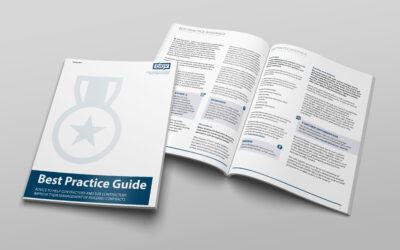
CICV unveils Best Practice Guide and webinar to help lead Scotland’s construction companies through maze of contract negotiations
The Construction Industry Collective Voice (CICV) has followed up the results of its recent payments survey by issuing a new Best Practice Guide to help contractors and subcontractors improve cashflow and prevent costly and damaging disputes Compiled by more than a...

FIS position on omitting National Standards from ADB
Government in the UK* through the Department for Levelling Up Housing and Communities (DLUHC), is consulting on changes to the guidance in England using Approved Document B (ADB). This consultation includes the recommendation to remove national classes using the...